
5059 aluminum sheet is a high-magnesium aluminum alloy material considered for demanding tank truck and special-vehicle applications. It can provide a useful balance of strength, corrosion resistance, and weldability when the alloy, temper, thickness, and fabrication process are matched to the equipment design.
For tank manufacturers and fleet-equipment producers, material selection should not be based on alloy name alone. Tank shell design, transported medium, operating temperature, welding procedure, applicable transport rules, and approval requirements all affect the final material decision. 5059 is not universally specified for every road tanker, so customers should confirm acceptance with the tank designer, certification body, and local regulatory framework before placing a production order.
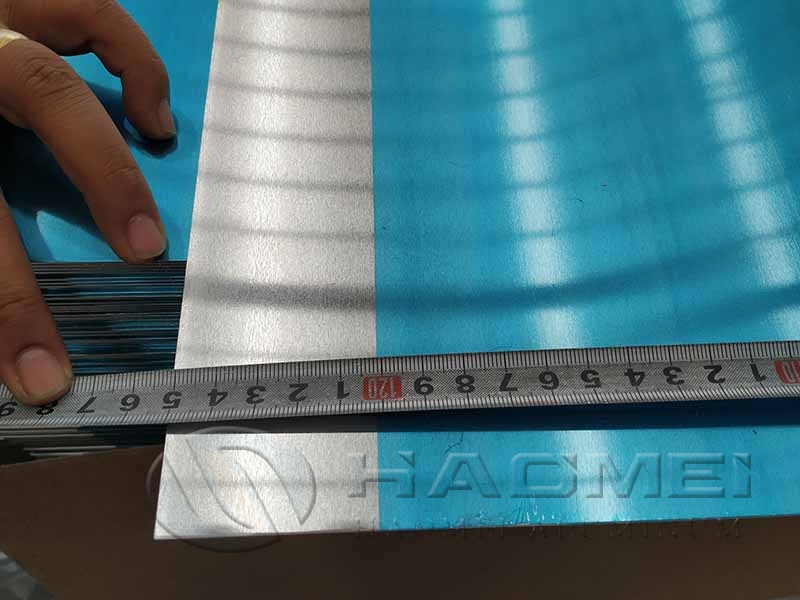
Where 5059 Aluminum Sheet Fits in Tank Truck Manufacturing
5059 belongs to the aluminum-magnesium alloy family. Compared with standard commercial aluminum, high-magnesium grades generally offer higher strength and good resistance to many atmospheric and marine-corrosion conditions. These characteristics can make 5059 aluminum sheet suitable for components exposed to vibration, weather, road spray, and repeated loading.
In tanker projects, possible applications may include selected tank sections, structural covers, bulkheads, protective panels, chassis-related fabrications, and special-vehicle bodies. Its actual suitability for direct contact with a cargo depends on the chemical compatibility of the transported product. For example, fuel, chemicals, food liquids, and corrosive media may each require different material selections, surface conditions, cleaning methods, or lining systems.
Road tankers transporting dangerous goods are commonly designed under regional requirements such as ADR and EN 13094 in Europe, or relevant DOT specifications in the United States. These standards address the complete tank system rather than prescribing one alloy for all situations. The finished assembly must meet requirements for design, welding, testing, markings, and periodic inspection.
5059 is often considered when a project needs stronger material than some conventional tanker alloys. However, it may not always be the most economical or available choice. Established alternatives such as 5083 aluminum plate are widely used where proven supply, established welding practice, and broad market familiarity are important.
Specifications to Confirm Before Ordering
A bulk order should define the technical requirement in writing. Stating only "5059 aluminum sheet" leaves important variables open to interpretation. Temper, dimensions, tolerances, surface finish, and inspection documents can significantly influence forming performance, welding behavior, and delivered cost.
| Item to Specify | Why It Matters for Tank Trucks |
|---|---|
| Alloy designation | Confirm the exact 5059 designation and governing product standard with the mill. |
| Temper | Tempers such as H111, H116, or H321 may be requested where applicable, but the selected temper must match forming and corrosion requirements. |
| Thickness and tolerance | Shell calculations, rolling capability, weight control, and weld preparation depend on consistent thickness. |
| Width and length | Larger-format sheet can reduce longitudinal welds and fabrication time, subject to handling limits. |
| Surface condition | Define whether the sheet must be mill finish, PVC protected, or free from scratches, oil, dents, and edge damage. |
| Mechanical properties | Request tensile strength, yield strength, and elongation values on the mill test certificate. |
| Inspection documents | Use EN 10204 3.1 certification or an equivalent document when the project specification requires traceability. |
| Testing requirements | Agree on ultrasonic testing, dimensional inspection, corrosion-related temper confirmation, or third-party inspection before production. |
The purchase order should also identify whether material will be cut from plate, supplied as sheet, or processed to custom blanks. The terminology varies by region and supplier. For heavy-gauge tanker work, mills and fabricators may use "plate" even when the customer describes the material as sheet.
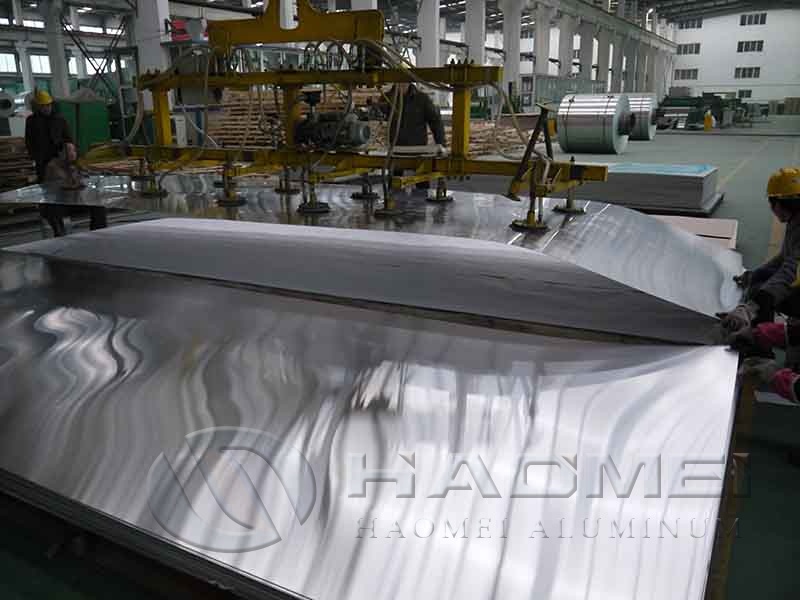
Comparing Cost, Supply, and Fabrication Risk
5059 aluminum sheet can carry a higher procurement risk than more commonly stocked tanker alloys. Availability depends on mill rolling schedules, qualified production routes, requested width, thickness, temper, and order volume. Long lead times can occur when a mill must schedule a non-standard alloy or when the required format needs special leveling, cutting, or inspection.
Cost should be evaluated as a delivered fabrication cost rather than a metal price per tonne. A lower-priced sheet may create higher losses through poor flatness, inconsistent thickness, excessive trimming, weld defects, or delayed delivery. Ask suppliers to quote the aluminum basis, conversion premium, processing charge, packaging, freight term, and validity period separately. This makes it easier to compare offers when aluminum market prices change.
For projects focused on corrosion resistance and good formability rather than maximum strength, 5454 aluminum plate may be evaluated alongside 5059. The final comparison should include design thickness, weld efficiency, corrosion environment, approved welding procedure, and local material acceptance.
Before approving a large shipment, many tank fabricators use a first-article check. Review sheet dimensions, flatness, edge quality, protective packaging, certificate heat numbers, and sample welding performance. The mill test certificate should match the physical labels and packing list. If traceability is required, maintain a record from coil or plate number through cutting, forming, welding, and final tank identification.
A practical sourcing plan also considers logistics. Aluminum material for tank trucks should be packed to prevent water staining, abrasion, and deformation during transport. Horizontal sheets need suitable pallets, separators, moisture protection, and secure strapping. For long or wide formats, confirm container, flat-rack, or truck-loading limits early in the order process to avoid damage or unplanned freight charges.