
Many people evaluating aluminum tanker plate are asking whether 5454 aluminum is the right material for road tankers, fuel tanks, and chemical transport bodies. Most questions are practical. People want to know how 5454 compares with 5083, whether it resists corrosion in real transport conditions, and how it performs after welding and forming.
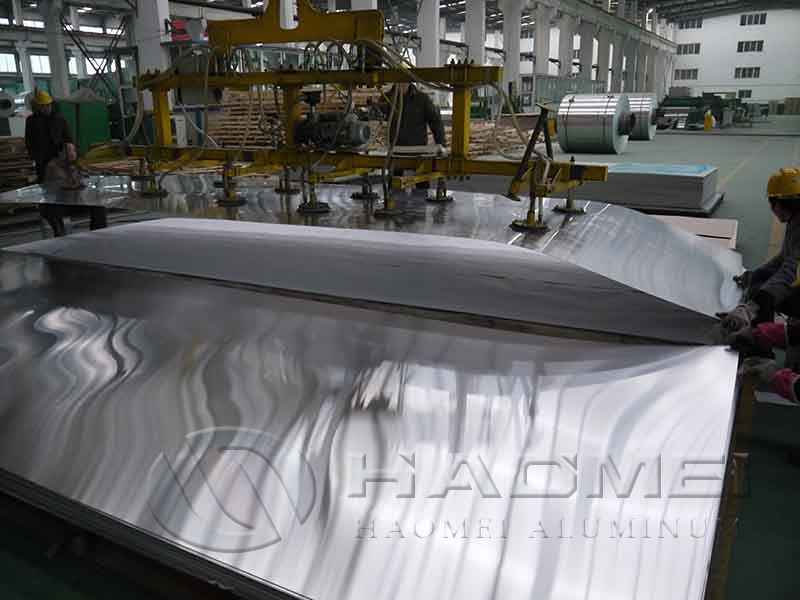
Below are 5 hot questions that closely reflect what real users have been asking recently, along with original answers tailored for potential new buyers of aluminum tanker plate.
1. Is 5454 aluminum better than 5083 for tanker truck tanks?
This is one of the most common questions because both alloys are widely used in tanker manufacturing. The short answer is that 5454 aluminum is often preferred for tanker bodies that will operate for long periods at moderately elevated temperatures or under repeated road vibration, while 5083 is often selected when very high strength is the first priority.
For aluminum tank truck manufacturing, 5454 offers a very balanced profile. It has good strength, excellent corrosion resistance, and very good weldability. A practical advantage is that 5454 can maintain reliable performance in service environments where temperature may rise beyond normal ambient levels, such as sun-exposed fuel or liquid cargo tanks.
By contrast, 5083 is stronger, but in some tanker applications, higher strength alone does not automatically mean better value. Forming behavior, weld zone performance, anti-corrosion stability, and long-term maintenance all matter. That is why many fabricators compare 5454 aluminum plate with 5083 aluminum plate before deciding on the final specification.
| Item | 5454 aluminum | 5083 aluminum |
|---|---|---|
| Main advantage | Balanced strength and corrosion resistance | Higher strength |
| Tanker use | Fuel tankers, liquid transport tanks | Heavy-duty marine and tank structures |
| Weldability | Very good | Very good |
| Forming suitability | Good for tanker shell fabrication | Good, but may be selected more for strength-driven designs |
| Common decision factor | Stability and service practicality | Structural strength margin |
2. Why is 5454 aluminum widely used for fuel and liquid tanker plates?
The reason is not just weight reduction. Many new buyers first notice that aluminum is lighter than steel, but manufacturers choose 5454 for a broader set of reasons.
First, 5454 aluminum has strong resistance to corrosion in atmospheric and many industrial environments. Tank trucks face rain, road salt, humidity, fuel residue, and frequent washing. A tanker plate must keep its surface integrity over years of use, not just in the warehouse.
Second, 5454 has good compatibility with fabrication processes used in tanker plants, including rolling, bending, and welding. This makes it easier to produce curved shells, heads, baffles, and compartment sections without creating excessive processing difficulty.
Third, lighter tank bodies can help increase payload efficiency within legal vehicle weight limits. For fleet operators, that can improve transport economics. For new buyers comparing material options, 5454 often stands out as a practical alloy rather than a purely theoretical one.
3. Does 5454 aluminum have good corrosion resistance for tanker service?
Yes, and this is one of its strongest selling points. In tanker applications, corrosion resistance should be judged in real service terms, not just by a datasheet statement. The tank exterior may be exposed to wet roads, de-icing salt, mud, and temperature cycling. The interior may hold petroleum products, food-grade liquids, or other media depending on tank design.
5454 belongs to the aluminum-magnesium family, which is known for very good resistance to general corrosion. In practice, this means the alloy is well suited to tanker shells that need durable performance in outdoor transport conditions.
That said, corrosion resistance still depends on manufacturing quality. Poor welding technique, contaminated surfaces, rough finishing, and bad design details around joints can reduce the benefits of a good alloy. So the better question is not only, "Is 5454 corrosion resistant?" but also, "Can the supplier provide stable plate quality for tanker fabrication?"
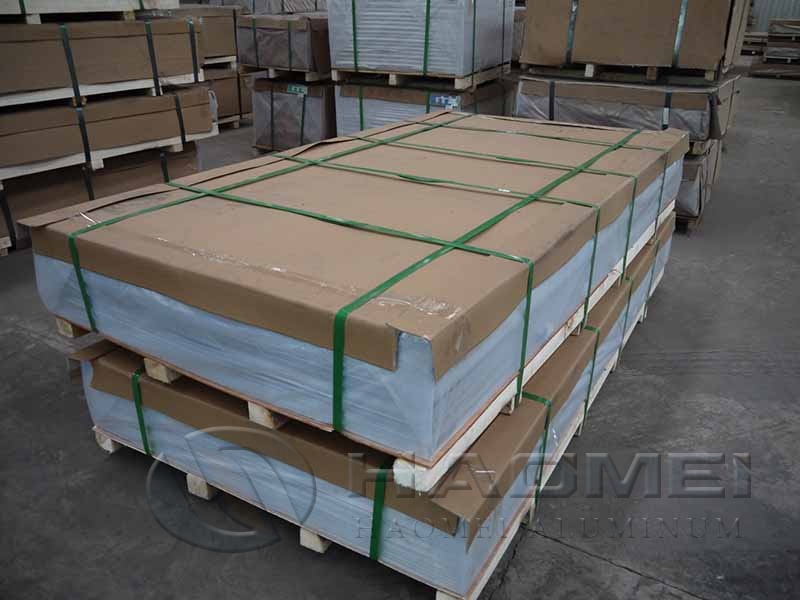
When evaluating supply, ask about flatness, surface cleanliness, internal stress control, and mechanical property consistency from batch to batch. These factors directly affect the finished tanker's reliability.
4. Is 5454 aluminum easy to weld and form for tank truck production?
Yes. This is one reason it remains popular with tanker manufacturers. Tank truck production requires large sheets or plates to be rolled into cylindrical or oval shells, then welded into long, leak-tight structures. Not every alloy handles this combination equally well.
5454 is well regarded for its weldability. After welding, it can still provide dependable mechanical performance for transport tanks. This matters because a tank is only as strong as its formed and welded structure, not just the unwelded base material.
In forming, 5454 also performs well enough for common tanker geometries. Manufacturers making barrel sections, end caps, or compartment dividers generally want an alloy that does not create unnecessary cracking risk during shaping. A stable forming response can improve production efficiency and reduce scrap.
For buyers, this means 5454 is not only a material choice, but also a process-friendly choice. If a plate is easy to weld and form, the plant can maintain more consistent quality during serial production.
5. What thickness of 5454 aluminum plate is commonly used for tanker trucks?
This is a very hot question because many people expect one standard answer, but thickness actually depends on the tank design, cargo type, required volume, regional regulations, and reinforcement scheme.
In practice, tanker shell plates are often selected in a range rather than at a single thickness. The shell, heads, and baffles may use different gauges. A larger tank carrying higher-density liquid may need a thicker plate than a smaller fuel tanker designed for lighter cargo. The same applies to compartmented tanks, where internal structure affects load distribution.
A useful way to approach thickness selection is this:
| Tank component | Typical thickness approach | Why it varies |
|---|---|---|
| Tank shell | Medium thickness range | Depends on volume, diameter, and cargo density |
| Tank heads | Often similar or slightly adjusted | Affected by pressure and forming design |
| Baffles and bulkheads | Based on anti-surge requirements | Depends on compartment layout |
| Reinforcement zones | Local thickening may be used | Stress concentration areas |
Instead of asking for the cheapest plate thickness, ask the supplier whether the proposed 5454 plate matches the tanker's structural calculation and fabrication route. That is a more useful purchasing question.
What should new buyers ask a 5454 aluminum plate supplier?
If you are sourcing tanker material for the first time, these are the most practical questions to raise:
Is the plate supplied specifically for tanker manufacturing or only for general industrial use?
What are the guaranteed mechanical properties after delivery?
How stable are width, thickness tolerance, and flatness?
Is the plate suitable for automatic welding and large-radius bending?
Can the supplier support custom sizes for shell, head, or baffle fabrication?
These questions help separate a general metal trader from a real tanker-material supplier. For aluminum tanker plate, consistency often matters as much as nominal alloy grade.
If a project involves fuel transport, chemical logistics, or liquid food transport, 5454 aluminum remains one of the most discussed and most practical options in today's market. The recent surge of online questions shows that many companies are moving away from simply comparing price per ton and are now paying closer attention to service life, fabrication efficiency, and total tank performance.