
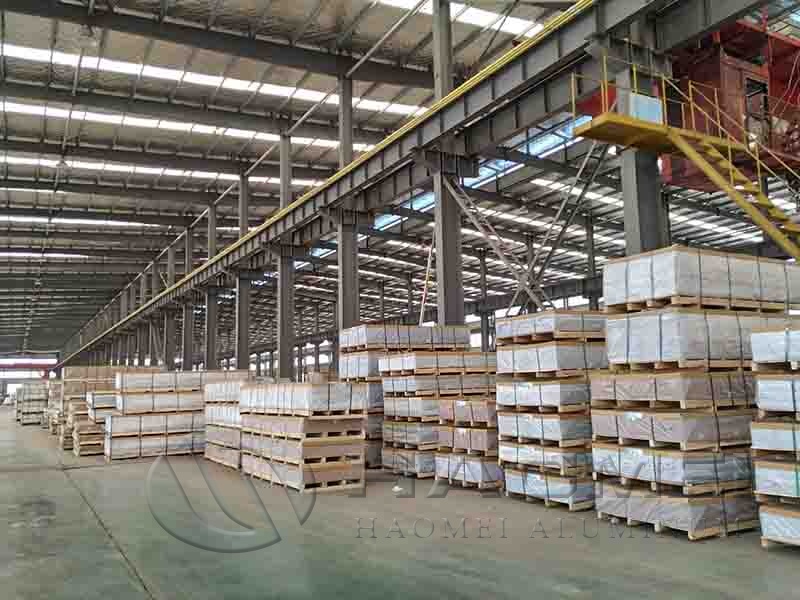
5083 aluminium plate has been repeatedly compared with 5454, 5182, and steel for fuel tankers, chemical tankers, and dry bulk tank trucks. The questions below reflect the practical concerns purchasing teams and tanker plant engineers usually raise before selecting material for shells, heads, baffles, manhole areas, and welded structures.
| Hot question | Why it matters in tanker production | Short answer |
|---|---|---|
| Is 5083 aluminium plate good for tanker trailers? | It affects payload, corrosion resistance, and weld life. | Yes, especially for welded tanker shells and heads. |
| Which temper is better, H111, H112, or H321? | Temper affects forming, strength, and stability after welding. | H111 and H321 are common choices, depending on forming method. |
| What thickness is used for aluminum tank truck plates? | Wrong thickness can raise cost or reduce safety margin. | Common ranges are often 4 mm to 8 mm, subject to design rules. |
| Can 5083 plate be welded without losing too much strength? | Tankers have long seams and many attachments. | Yes, with suitable filler, process control, and weld inspection. |
| Is 5083 better than 5454 for fuel or chemical tankers? | Alloy choice affects service environment and price. | 5083 is stronger; 5454 may suit higher-temperature service. |
1. Is 5083 aluminium plate good for tanker trailers?
Yes. 5083 aluminium plate is one of the most widely accepted marine and transport aluminum alloys for welded structures. For aluminum tanker trailers, its appeal comes from three areas: high strength among non-heat-treatable alloys, strong resistance to atmospheric and many liquid cargo environments, and good weldability.
A tanker made with aluminum plate is usually lighter than a comparable carbon steel tanker. That weight reduction can increase payload capacity, reduce fuel use, or help meet axle load limits. For road tankers, every kilogram saved in the tank body can become useful operating value over the vehicle service life.
For tanker shells, heads, wave baffles, and reinforcement plates, 5083 aluminum plate is often selected when the design requires a combination of strength and corrosion resistance. It is especially suitable for fuel tankers, oil tankers, water tankers, and some chemical transport tanks when compatibility is confirmed by the tank designer and the cargo specification.
The important point is that 5083 is not selected by name alone. The final plate must meet mechanical properties, flatness, surface quality, ultrasonic inspection requirements if specified, and traceability documents such as mill test certificates.
2. Which 5083 temper is better for tanker manufacturing, H111, H112, or H321?
There is no single temper that fits every tanker plant. The proper choice depends on forming depth, welding sequence, tank shape, and national or regional tank design code.
| Temper | Typical advantage | Common tanker use |
|---|---|---|
| 5083-H111 | Good forming ability and controlled strength | Shell courses, heads, parts requiring bending or rolling |
| 5083-H112 | Produced with limited work hardening, often used for thick plate | Structural sections and thicker components |
| 5083-H321 | Stabilized temper with reliable performance after exposure | Tank shells and welded pressure-related structures |
For rolled cylindrical shells, many workshops prefer material that can bend consistently without edge cracking or orange-peel surface issues. H111 is often valued where forming is demanding. H321 is frequently discussed for tanker applications because it offers stable mechanical behavior and is recognized in many welded aluminum structure specifications.
When comparing quotations, ask the supplier to state the exact alloy, temper, standard, thickness tolerance, width, length, and test certificate format. A low price is not useful if the temper does not match the forming process.
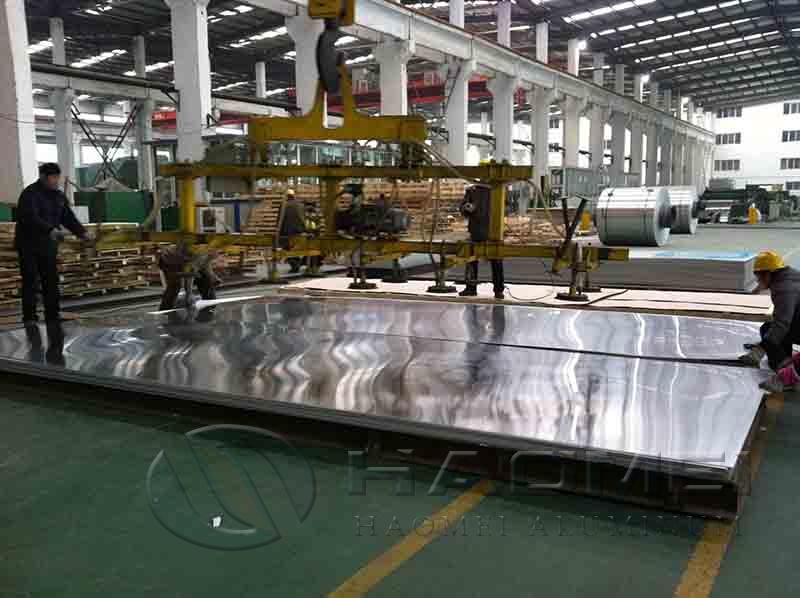
3. What thickness of 5083 aluminium plate is commonly used for aluminum tank trucks?
The common thickness range for tanker plate is often around 4 mm to 8 mm, but this should never be treated as a universal rule. Tank type, compartment design, diameter, design pressure, baffle spacing, road conditions, and legal requirements all influence the final plate thickness.
For example, a small fuel tanker body may use thinner shell plates than a large semi-trailer tank. Heads and baffle plates may require different thicknesses from the shell. Areas around manholes, discharge valves, saddles, and lifting points often need reinforcement or local design treatment.
| Tank component | Typical consideration | Practical note |
|---|---|---|
| Shell plate | Rolling performance and longitudinal seam welding | Width selection can reduce weld seams. |
| Tank head | Deep drawing or spinning behavior | Formability is very important. |
| Baffles | Anti-surge function and fatigue resistance | Holes and edges need smooth processing. |
| Reinforcement plates | Local stress around fittings | Material pairing should be controlled. |
Plate width is also important. Wider aluminum tanker plate may reduce the number of welds, improve appearance, and save fabrication time. However, wide plates require reliable flatness, careful handling, and proper rolling equipment.
4. Can 5083 aluminium plate be welded safely for tanker bodies?
Yes, 5083 aluminium plate is known for good weldability, which is one reason it is popular in tanker and marine fabrication. MIG welding and TIG welding are both used, though production tankers commonly rely on MIG processes for efficiency.
Weld strength is affected by filler wire, heat input, joint design, cleaning, and operator skill. ER5183 and ER5356 are commonly discussed filler choices for 5083 alloy, but the exact selection should follow the welding procedure specification and cargo service requirement.
Before welding, oxide film, oil, water, and shop contamination should be removed. Aluminum conducts heat quickly, so welding parameters must be stable. Excessive heat input may widen the softened zone, while poor cleaning can lead to porosity. For long tanker seams, automated or semi-automated welding can improve repeatability.
Inspection should not be skipped. Visual testing, leak testing, pressure testing where required, and nondestructive testing for selected seams help confirm that the tank body is ready for service. Good plate quality also matters: scratches, laminations, or poor edge trimming can create unnecessary welding problems.
5. Is 5083 better than 5454 aluminum plate for fuel and chemical tankers?
5083 and 5454 are both aluminum-magnesium alloys used in transport and welded structures, but they are not identical. 5083 generally provides higher strength, making it attractive for lightweight tanker structures. 5454 is often considered where better performance at moderately elevated temperatures is needed, depending on the cargo and service conditions.
| Alloy | Strength level | Corrosion resistance | Typical selection reason |
|---|---|---|---|
| 5083 | Higher | Very good | Strong welded tanker shells and heads |
| 5454 | Medium | Very good | Fuel tanks and some hot liquid service conditions |
| 5182 | Medium to high | Good | Tank heads, lids, and formed components |
| 5754 | Medium | Good | General transport and formed parts |
For fuel tanker manufacturing, 5083 is often favored when strength-to-weight ratio is a priority. For certain chemical or temperature-related services, 5454 aluminum plate may deserve evaluation. The safest approach is to match alloy selection with cargo compatibility, design code, welding procedure, and fabrication method.
Practical checks before ordering 5083 aluminium tanker plate
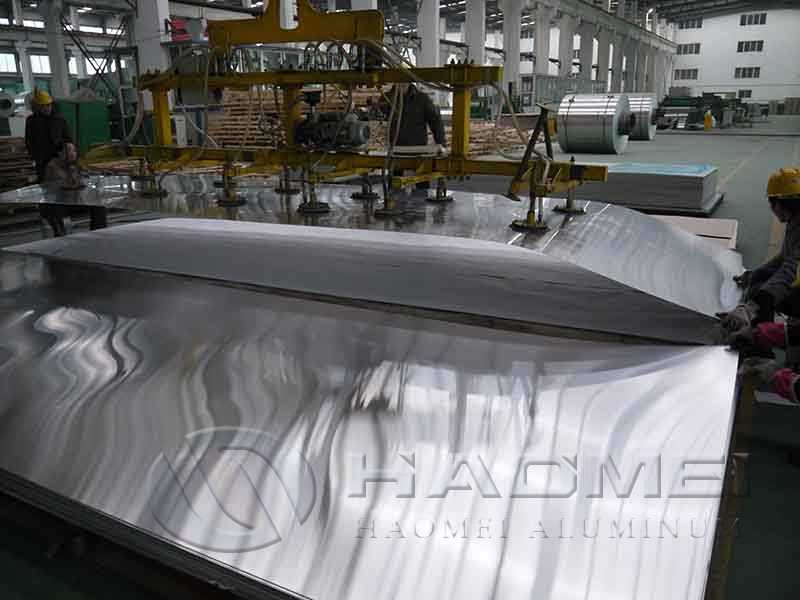
A reliable inquiry should include alloy and temper, thickness, width, length, quantity, applicable standard, surface requirement, edge condition, and documentation demand. If the plate will be used for tank shells, also state whether the material will be rolled, bent, deep formed, or welded into long longitudinal seams.
Ask for mechanical properties, chemical composition, packaging method, and expected lead time. For export projects, protective packaging is important because seawater vapor, condensation, and rough loading can damage aluminum plate surfaces. For tanker plants, consistent batches are valuable because they help keep rolling behavior, welding parameters, and appearance stable across production.
A strong 5083 aluminium plate offer should not only show price per ton. It should also answer whether the plate can support the tank design, pass fabrication steps smoothly, and maintain stable performance after welding and road service.