
Recent English Q&A and search discussions around aluminum tank trucks often focus on one practical issue: when does 5182 aluminum alloy make sense, and when should a fabricator choose another 5xxx tanker material? Haomei Aluminum like to share what we know with you.
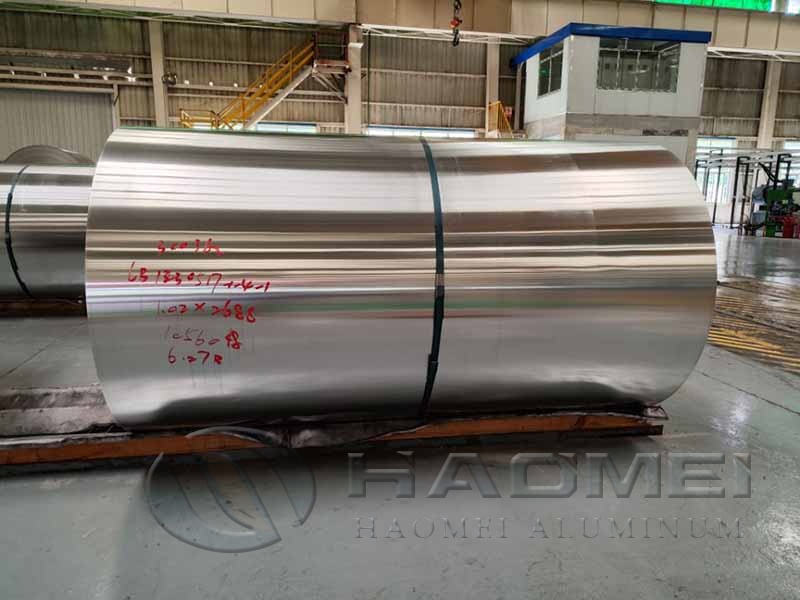
1. Is 5182 aluminum alloy suitable for aluminum tanker plate?
Yes, 5182 aluminum alloy can be suitable for certain tanker plate and tank truck components, especially formed parts that need good plasticity, weldability, and corrosion resistance. It belongs to the Al-Mg 5xxx series, so it does not rely on heat treatment for strength. Instead, its performance comes mainly from magnesium solid-solution strengthening and controlled rolling temper.
For tanker manufacturing, 5182 is often considered for baffles, bulkheads, end heads, internal partitions, and shaped panels where forming behavior matters. For a full tanker shell, the final choice depends on the design code, transported medium, plate thickness, welding process, and local inspection requirements. Many tank manufacturers still compare it with 5083 aluminum plate, especially for higher-strength barrel sections or heavy-duty fuel tanker structures.
A practical way to evaluate 5182 is not to ask whether it is good or bad, but where it performs best inside the tanker structure. If the part needs deep forming and reliable weld seams, 5182 may be attractive. If the part is a highly stressed shell section, 5083 or 5454 may be specified more often.
2. What is the difference between 5182, 5083, and 5454 aluminum for tank trucks?
All three are non-heat-treatable 5xxx aluminum alloys, but their balance of strength, forming behavior, and service temperature is different.
| Alloy | Common tanker use | Main advantage | Typical consideration |
|---|---|---|---|
| 5182 aluminum alloy | Bulkheads, baffles, formed heads, shaped panels | Excellent formability and weldability | Verify strength level and approved use for the tank design |
| 5083 aluminum alloy | Tank shell, heads, fuel tanker plate | Higher strength and marine-grade corrosion resistance | Forming radius and welding procedure need control |
| 5454 aluminum alloy | Chemical tankers, hot-service tanks | Better performance at moderately elevated temperatures | Confirm medium compatibility and code acceptance |
The difference is not only chemical composition. In real tank truck production, temper, thickness tolerance, coil width, plate flatness, and weld qualification can change fabrication results more than a small chemistry difference. For example, 5182 may reduce cracking risk in formed parts, while 5083 may support a lighter design when strength is the limiting factor. When the tank carries chemicals or works at higher operating temperatures, 5454 aluminum plate may be reviewed because of its stability in those conditions.
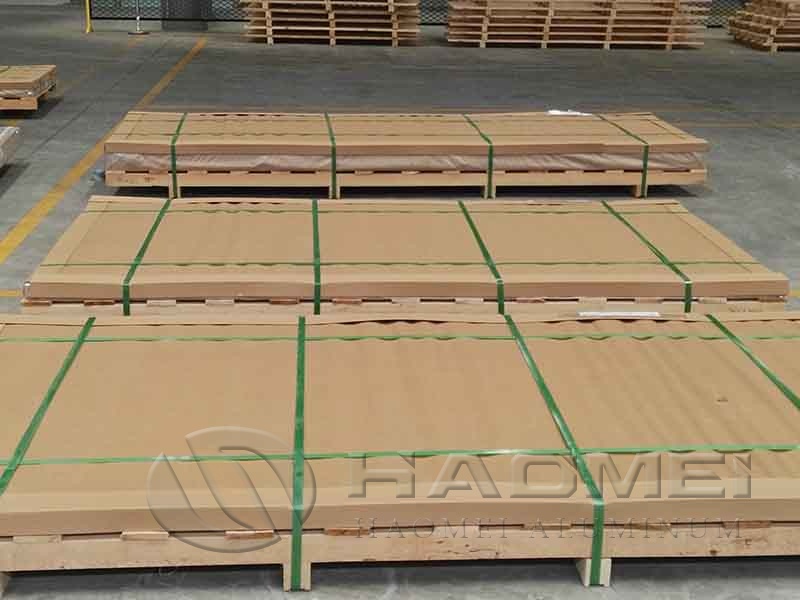
3. Which temper and thickness of 5182 aluminum plate are commonly considered for tank fabrication?
Common tempers for 5182 aluminum alloy include O, H111, H112, and work-hardened tempers depending on the mill and application. For formed tanker components, softer or stress-relieved tempers are often easier to process because they bend and press more predictably. For flatter structural parts, a harder temper may be considered if the drawing and inspection standard allow it.
Thickness depends on the tanker design, compartment layout, payload requirement, and road regulation. Internal baffles may use different thickness from the shell or head. A manufacturer should never select thickness from alloy name alone. The tank calculation must include pressure, vacuum, liquid surge, support spacing, weld joint efficiency, and impact loads.
| Item to confirm | Why it matters for 5182 tanker parts |
|---|---|
| Temper | Affects bending, press forming, springback, and final strength |
| Thickness tolerance | Influences tank weight and welding gap control |
| Plate width | Reduces weld seams on large panels or bulkheads |
| Flatness | Helps automatic welding and assembly accuracy |
| Mill test certificate | Confirms chemistry, tensile strength, yield strength, and elongation |
A useful purchasing request should mention alloy, temper, thickness, width, length, standard, surface requirement, and whether the plate will be used for shell, head, baffle, or bulkhead. This prevents the supplier from offering a general-purpose sheet that is not optimized for tanker fabrication.
4. How does 5182 aluminum alloy behave during welding and forming?
5182 aluminum alloy has good weldability with common MIG and TIG processes used in aluminum tank manufacturing. Because it is a 5xxx alloy, it avoids the heat-treatment loss problems seen in 6xxx alloys. However, the heat-affected zone can still soften compared with cold-worked base metal, so design engineers should use allowable welded properties rather than only base-metal strength.
For welding, fabricators usually pay attention to filler selection, oxide removal, joint fit-up, shielding gas quality, and heat input. Excessive heat can enlarge distortion, while poor cleaning can create porosity. The alloy itself is weldable, but weld quality still depends on shop discipline.
For forming, 5182 is one of the more forgiving Al-Mg alloys. It can handle stamping and bending better than many higher-strength plates, which is why it attracts attention for formed tanker heads and internal parts. The forming radius should still be tested before mass production because real behavior changes with temper, thickness, grain direction, and tooling condition.
5. What should purchasers check before ordering 5182 aluminum plate for tanker production?
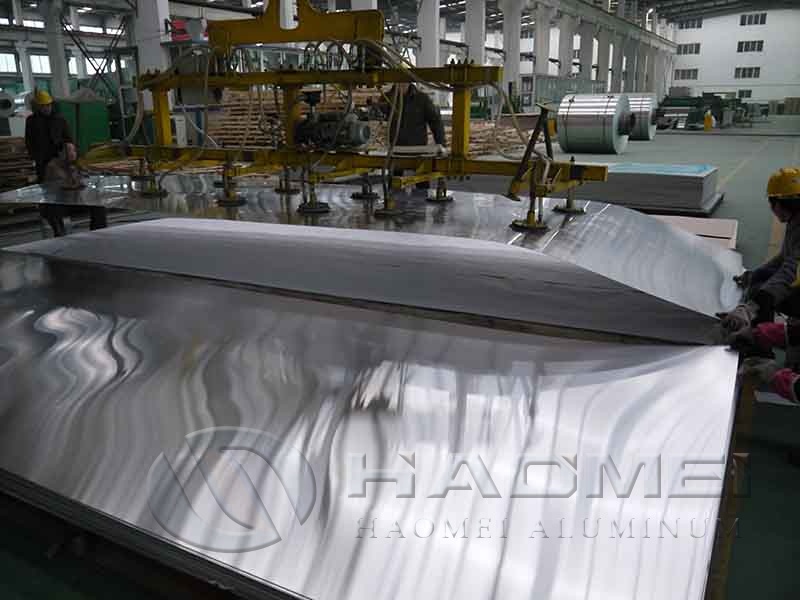
Before placing an order, the most important step is to match the material to the tank drawing and regulatory requirement. A good quotation should not stop at price per ton. It should also confirm standard compliance, testing documents, packing, and delivery form.
| Check point | Recommended request |
|---|---|
| Alloy identity | 5182 with full chemical composition on certificate |
| Mechanical values | Tensile strength, yield strength, elongation, and bend test if required |
| Surface quality | No oil stain, heavy scratches, oxidation patches, edge cracks, or lamination |
| Dimensional control | Thickness, width, length, diagonal tolerance, and flatness |
| Traceability | Heat number, batch number, and certificate linked to each package |
| Fabrication support | Suggested bending radius, welding data experience, and sample plate if needed |
If the tank will carry fuel, edible liquid, corrosive chemical, or another controlled medium, ask whether the supplier has previous tanker plate supply experience for the same application. Also ask how the plates are protected during transport. Aluminum plate can arrive with surface damage if packing is weak, and rework costs may exceed any small saving in material price.
For a new tank truck project, it is sensible to test 5182 on one formed part first, then evaluate press results, weld appearance, leakage test performance, and dimensional stability. This small trial can reveal whether 5182 is the right alloy for the component before full production begins.