
5182 aluminum plate is an Al-Mg alloy plate valued for its forming performance, weldability, and corrosion resistance. In the tank truck industry, it is often considered for formed parts such as tank heads, wave baffles, bulkheads, partitions, and other components that need reliable shaping without cracking. For fleets carrying fuel, edible oil, chemicals, powders, or general liquids, choosing the right aluminum sheet is not only a matter of price. It affects payload, fabrication efficiency, safety inspection, and service life.
Compared with carbon steel, aluminum can reduce vehicle weight and increase legal payload under the same gross vehicle weight limit. Compared with some high-strength aluminum grades, 5182 is easier to form, which is useful for dished heads and internal structures. Many tank builders use it together with 5083, 5454, or 5754, depending on the medium carried, design code, forming route, and welding plan.
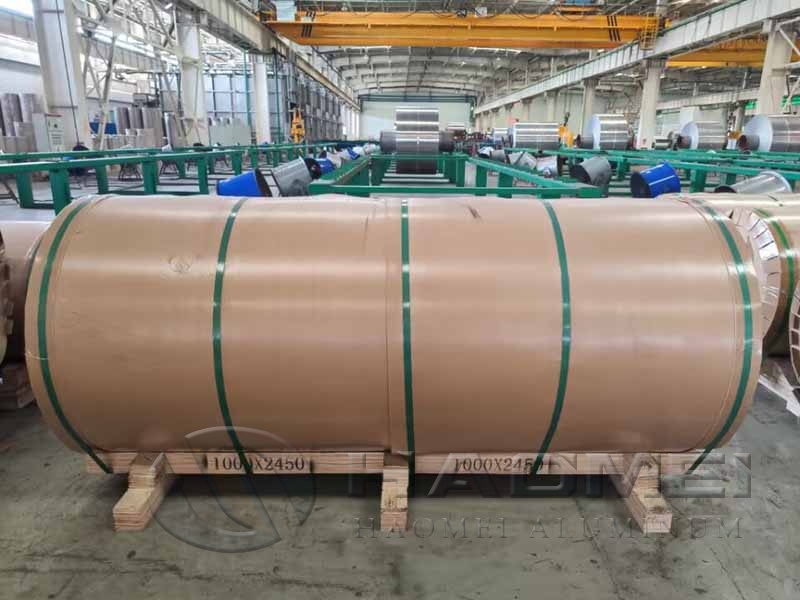
Where 5182 Aluminum Plate Fits in Tank Truck Manufacturing
5182 belongs to the 5xxx series, with magnesium as the main alloying element. It is non-heat-treatable, so its strength is mainly controlled by cold working and temper. Common tempers for formed truck components may include O, H111, H32, or project-specific conditions. The final selection should follow the tank design drawing, forming radius, weld layout, and applicable inspection standard.
In practical tank production, 5182 is often selected when the component has demanding bending or stamping requirements. For example, an end head needs to be pressed, spun, or otherwise formed into a curved shape. If the plate has poor ductility, the surface may show orange peel, edge cracking, or excessive thinning. 5182 helps reduce these risks when supplied with stable chemistry, clean surface, and consistent mechanical properties.
For the tank shell itself, many manufacturers still prefer high-strength marine-grade alloys such as 5083 aluminum plate, especially when strength and corrosion resistance are prioritized. For operating temperatures that may be higher than ambient, 5454 is also common because it has good resistance to stress corrosion in certain temperature ranges. 5182 should therefore be viewed as part of a material system rather than a single answer for every tank part.
| Alloy | Typical Tank Truck Use | Main Advantage | Notes for Procurement |
|---|---|---|---|
| 5182 | Heads, baffles, bulkheads, formed parts | Excellent formability and weldability | Confirm temper and bend performance |
| 5083 | Tank shell, heads, structural tank parts | Higher strength and corrosion resistance | Often used for fuel and chemical tanks |
| 5454 | Tank shell and parts for warmer service | Good corrosion resistance at elevated temperature | Check medium and operating temperature |
| 5754 | General tank parts and special vehicles | Balanced strength and forming | Suitable for many non-pressure applications |
Performance, Processing, and Compliance Points
A reliable 5182 plate should have controlled composition, low internal defects, and uniform rolling quality. Reputable mills usually supply test certificates showing chemical composition, tensile strength, yield strength, elongation, and dimensional tolerance. Depending on the market, common references may include ASTM B209, EN 485, or GB/T 3880. Tank vehicles carrying dangerous goods may also need to meet regional transport rules such as ADR in Europe or DOT cargo tank requirements in the United States. The plate supplier does not replace the vehicle certifier, but the material must support the final compliance file.
Fabrication performance is another major concern. Tank producers commonly cut, roll, bend, press, weld, and inspect aluminum plate. 5182 generally welds well with suitable filler wire and clean joint preparation. Before welding, oxide film, oil, moisture, and dust should be removed. Poor cleaning can lead to porosity, lack of fusion, or weak weld appearance. For large-volume production, stable plate flatness and consistent thickness help improve automatic welding speed and reduce rework.
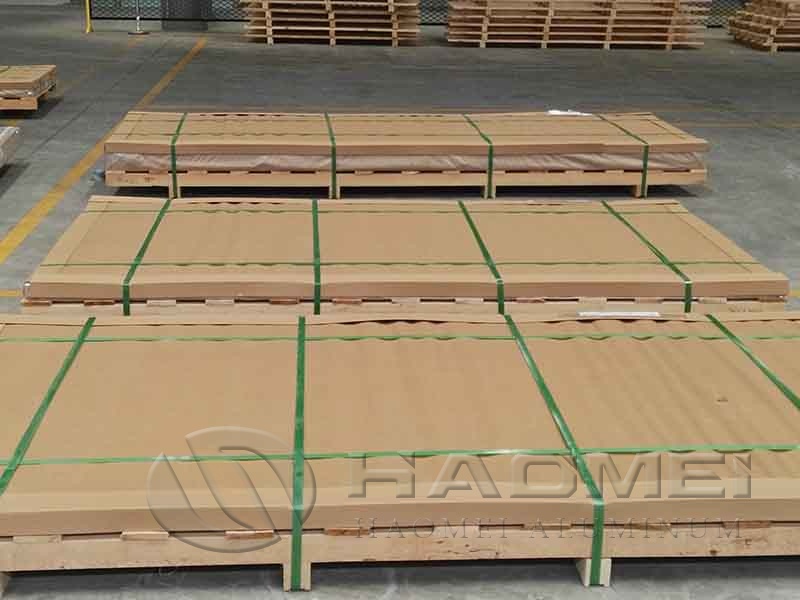
Surface quality also matters. Scratches, roll marks, oil stains, edge burrs, and dents can create fabrication problems or reduce the appearance of a finished tank. For internal parts, surface requirements may be moderate, but for visible tank bodies and polished vehicles, stricter surface inspection is normal. When ordering, define acceptable surface class, protective film needs, pallet packaging, and moisture protection for sea transport.
| Item to Check | Why It Matters | Recommended Action |
|---|---|---|
| Alloy and temper | Controls strength and formability | Match drawing and forming method |
| Thickness tolerance | Affects weight, welding gap, and tank capacity | Require mill tolerance report |
| Flatness | Influences cutting and rolling efficiency | Inspect before batch production |
| Mechanical properties | Supports design calculation | Review certificate for each batch |
| Surface condition | Reduces rework and appearance defects | Set acceptance criteria in the purchase contract |
| Traceability | Needed for audits and claims | Keep heat number and certificate records |
How to Purchase 5182 Plate for Tankers and Special Vehicles
The first step is to define the part, not just the alloy. A tank head, shell course, manhole reinforcement, and anti-surge baffle have different forming and strength requirements. For formed components, ask the mill or distributor about minimum bend radius, elongation, and experience with similar tank parts. If your workshop uses deep drawing or spinning, sample testing is sensible before committing to a full shipment.
The second step is to compare total cost rather than plate price alone. A cheaper sheet can become expensive if it causes cracking, welding defects, excessive trimming, or delayed delivery. Tank truck plants usually care about finished yield, delivery stability, certificate accuracy, and after-sales response. For repeat production, coil-to-plate processing may lower handling cost, while direct plate supply may be better for thick or small-batch projects.
When evaluating suppliers, confirm whether they can provide consistent width, thickness, and length ranges. Some projects need wide plate to reduce weld seams, while others need precise blanks for automated forming. Packaging should protect the material from rain, seawater, forklift damage, and rubbing during transport. Export orders should also define wooden pallet strength, waterproof paper, desiccant use, and marking method.
For customers comparing 5xxx alloys, an internal material standard can reduce confusion. Use 5182 for components requiring high formability, consider 5454 aluminum plate where suitable corrosion resistance at moderately elevated service temperature is needed, and evaluate 5083 when shell strength is the main requirement. The exact choice should be approved by the tank designer and aligned with the carried medium.
A practical inquiry for 5182 aluminum plate should include alloy, temper, thickness, width, length, quantity, standard, certificate requirement, surface demand, packaging, destination port, and expected delivery time. If the plate will contact food, chemicals, or fuel, state the medium clearly so the engineering team can check compatibility. If the plate will be used for a certified road tanker, provide the drawing requirement or code reference early. This helps the supplier quote accurately and reduces the risk of receiving material that is technically correct but unsuitable for the vehicle project.