
5454 aluminum sheet is widely specified for tank trucks, fuel transport equipment, and selected special-vehicle structures because it combines moderate-to-high strength, good forming behavior, and strong resistance to many atmospheric and industrial corrosion conditions. As a non-heat-treatable aluminum-magnesium alloy, its mechanical properties are mainly achieved through strain hardening rather than heat treatment.
For tank vehicle fabricators, material selection is not only about strength. The sheet must also perform consistently during rolling, forming, welding, assembly, and long-term road service. A well-defined purchase specification helps reduce variation between production lots and supports traceability from the mill to the finished vessel.
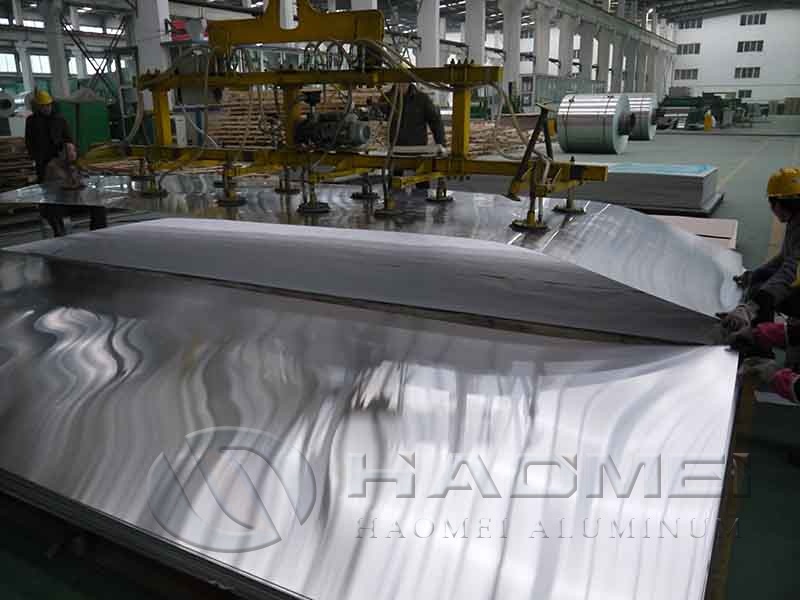
Why 5454 Aluminum Sheet Is Used for Tank Trucks
5454 is an aluminum-magnesium alloy commonly associated with welded transportation structures. It has good corrosion resistance and is often selected where the material may experience moderately elevated service temperatures. Compared with some general-purpose aluminum grades, 5454 is valued for retaining useful strength in demanding transport applications.
Tank body requirements vary with the cargo, route, operating temperature, internal lining, cleaning method, and local regulations. Therefore, alloy selection must be verified against the complete vessel design rather than based on alloy name alone. For example, a tank intended for petroleum products has different compatibility considerations from one used for food liquids, chemical solutions, or waste transport.
| Property area | Why it matters for tank vehicle fabrication | What to confirm in the order |
|---|---|---|
| Alloy chemistry | Influences corrosion behavior, weldability, and strength | Certified 5454 chemical composition |
| Temper | Controls strength, formability, and springback | Required temper, such as H32 or project-specific condition |
| Thickness | Affects vessel design, weight, and forming performance | Nominal thickness and permitted tolerance |
| Surface quality | Supports forming, welding, and final appearance | No harmful scratches, corrosion, oil stains, or laminations |
| Flatness | Reduces fitting and rolling difficulties | Flatness requirement suited to fabrication equipment |
| Traceability | Supports quality control and regulatory records | Heat number and mill test certificate for each lot |
The terms sheet and plate can be used differently across standards and markets. In practical purchasing, the more important point is to specify the actual thickness, width, length, temper, tolerance standard, and intended fabrication route. A thick coil slit into sheets may behave differently from mill-produced cut plate, especially when flatness and residual stress are critical.
For projects needing a proven transport alloy format, 5454 aluminum plate can be specified with detailed dimensions and temper requirements matched to the tank shell or structural component.
How to Specify Material for Tank and Special-Vehicle Projects
A purchase order should convert the engineering drawing into measurable material requirements. Stating only "5454 aluminum sheet" leaves important details open to interpretation. A complete specification helps the supplier select the correct production route and enables incoming inspection at the fabricator's facility.
Use the following order details as a practical framework.
| Order item | Recommended requirement |
|---|---|
| Alloy | 5454, with chemistry verified by mill certificate |
| Product form | Sheet, plate, coil, or cut-to-length sheet |
| Temper | State the required condition, such as H32, and do not substitute without approval |
| Dimensions | Thickness x width x length, including tolerance requirements |
| Standard | ASTM B209, EN 485, EN 573, or another applicable contractual standard |
| Mechanical properties | Required tensile strength, yield strength, and elongation by agreed standard and thickness range |
| Surface | Mill finish or defined surface condition, protective film if needed |
| Inspection | Certificate of analysis, mechanical test report, dimensional inspection, and packing inspection |
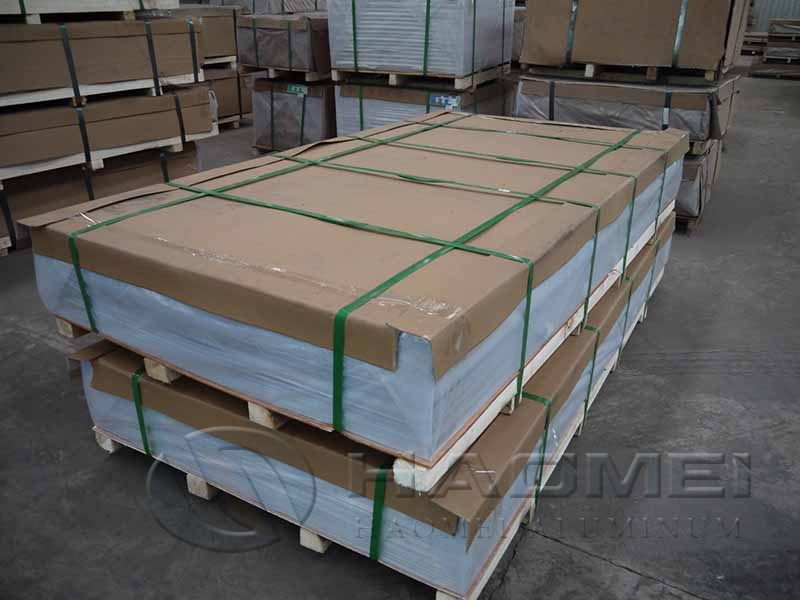
| Packing | Moisture protection, edge protection, pallet type, maximum bundle weight, and marking |
Temper selection deserves special attention. H32 is commonly requested where a balance of strength and forming ability is needed. However, the correct temper depends on shell rolling radius, head forming, weld design, thickness, and the fabricator's forming equipment. Excessively hard material can increase springback and cracking risk during tight-radius work. Material that is too soft may not meet structural design requirements.
Welding procedure qualification is equally important. The base alloy is only one part of the finished structure. Weld filler selection, heat input, joint preparation, distortion control, and post-weld inspection affect the final performance of the tank. The fabricator should qualify welding procedures according to the applicable vessel, transport, or customer standard.
In some projects, 5454 is compared with 5083 because both are aluminum-magnesium alloys used in transportation and marine-related structures. 5083 aluminum plate may be considered when higher strength or different corrosion-performance requirements are established by the engineering design. The final choice should be based on approved drawings, service conditions, and applicable design rules, not on price alone.
Quality Checks, Compliance, and Supply Planning
Material compliance for road tank vehicles is jurisdiction-specific. In the United States, applicable requirements may involve DOT regulations and design codes used by the manufacturer. In Europe, ADR requirements and relevant EN standards may apply. The alloy certificate does not, by itself, prove that a finished tank is compliant. Compliance depends on the completed design, welding, testing, marking, and approval process.
Incoming inspection should be planned before the shipment arrives. Inspectors typically verify alloy designation, temper, dimensions, surface condition, bundle identification, and certificate consistency. For larger-volume orders, an agreed inspection plan may include sampling rules, ultrasonic testing where contractually required, and third-party inspection before dispatch.
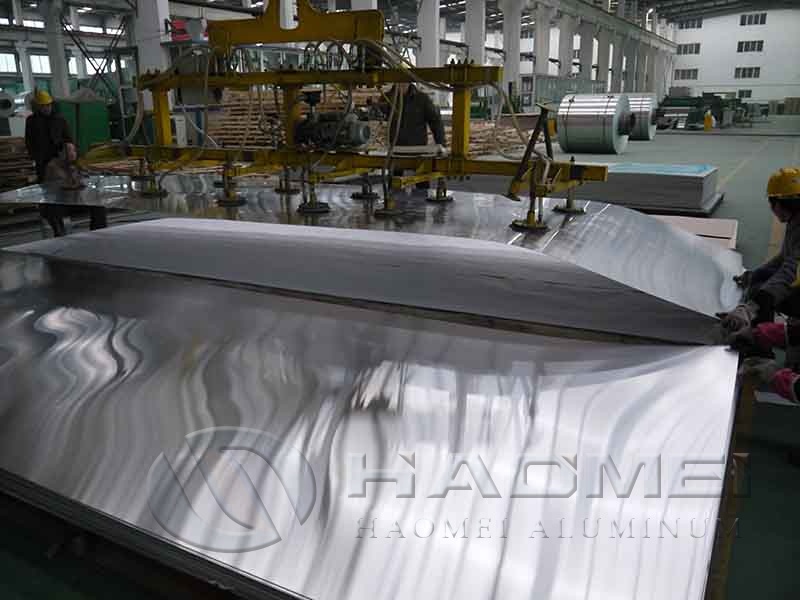
A reliable supply plan should also account for production lead time, rolling schedule, minimum mill quantity, and freight conditions. Wide sheets, heavy gauges, uncommon tempers, and narrow thickness tolerances can require longer production planning. If the material will be stored before fabrication, use dry indoor storage and avoid direct contact with standing water, steel contamination, and damaged packaging.
For repeat tank-truck programs, maintain an approved material record containing the alloy specification, temper, dimensions, accepted mill certificates, inspection results, and fabrication feedback. This record makes it easier to control lot-to-lot consistency and identify whether future issues arise from material, forming, welding, handling, or vehicle operating conditions.