
AA5059 is a high-magnesium, non-heat-treatable aluminum alloy developed for applications that need higher strength, good weldability, and strong resistance to corrosion. In the tank truck industry, it is often discussed alongside 5083, 5454, 5182, and 5754 because these 5xxx-series alloys are widely used in liquid cargo tanks, fuel tankers, chemical transport vehicles, bulk powder vehicles, and special-purpose vehicles.
For bulk purchasers of tanker sheet and plate, AA5059 is not simply a stronger material. It affects vehicle lightweighting, welding process selection, forming performance, compliance documentation, and long-term operating cost. Understanding these points helps purchasing teams evaluate quotations more accurately instead of comparing price per ton only.
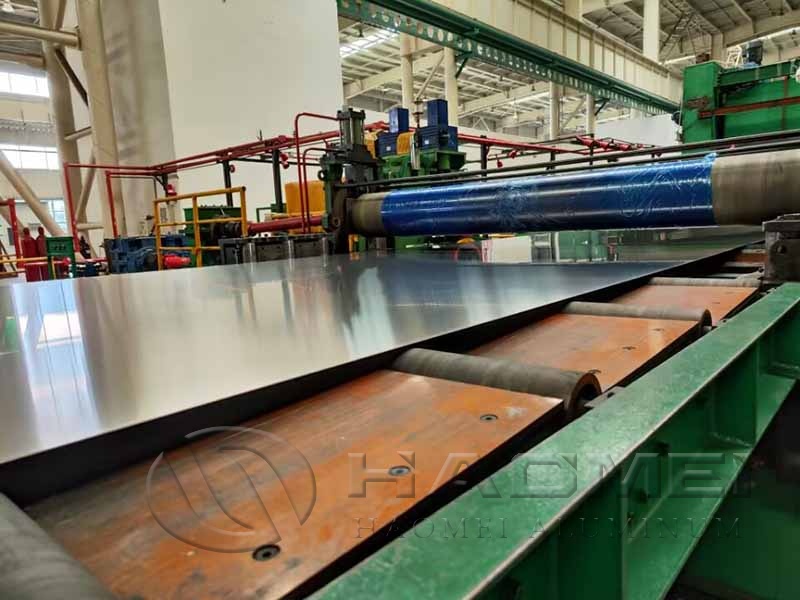
What AA5059 Means for Aluminum Alloy Tank Trucks
AA5059 belongs to the Al-Mg alloy family. Magnesium is the main alloying element, while manganese and other controlled elements help improve strength and stability. It cannot be strengthened by heat treatment like 6xxx or 7xxx alloys. Instead, its mechanical performance mainly comes from solid solution strengthening and work hardening, so the temper condition on the mill certificate is very important.
In tanker manufacturing, AA5059 can be considered when the project requires higher strength than conventional marine and tanker grades. A higher-strength plate may allow engineers to optimize wall thickness, depending on design codes, tank shape, compartment structure, baffle design, welding efficiency, and approval requirements. Any thickness reduction must be confirmed by qualified tank design calculations, not decided by material strength alone.
Common tanker applications for 5xxx-series aluminum include shells, heads, bulkheads, baffles, manhole reinforcement areas, and auxiliary structural parts. AA5059 is suitable for demanding sections where corrosion resistance and strength are both important. However, forming radius, weld joint design, and post-weld strength must be reviewed before changing from a familiar grade.
| Item | AA5059 relevance for tank trucks |
|---|---|
| Alloy family | 5xxx Al-Mg alloy, non-heat-treatable |
| Main advantages | Higher strength, corrosion resistance, weldability |
| Typical supply form | Sheet, plate, cut-to-size blanks |
| Important documents | Mill test certificate, standard reference, temper, traceability |
| Main purchase risk | Comparing only price while ignoring temper, flatness, and certification |
When comparing alternatives, many manufacturers still use 5083 aluminum plate for tanker shells and pressure-related structures because it has a long service record, recognized corrosion resistance, and broad market availability. AA5059 may be selected for projects that need higher strength or improved payload efficiency, provided the design team approves it.
Properties, Processing, and Standards to Check
AA5059 has good resistance to atmospheric, fresh water, and many transport-related corrosive environments. This is why it is attractive for fuel and chemical tank vehicles. Still, corrosion behavior depends on cargo type, cleaning method, temperature, weld quality, and whether the surface is exposed to road salt or industrial pollution. For aggressive chemicals, compatibility should be confirmed against the cargo list and the tank design standard.
The alloy is weldable by common aluminum welding methods such as MIG and TIG, using filler metals selected according to the required strength, corrosion resistance, and service environment. Welding procedure qualification is important because the heat-affected zone of 5xxx alloys can show different properties from the base metal. For tank manufacturers, stable plate chemistry and consistent temper help reduce welding variation between batches.
Forming is another key point. Tank shells and heads may need rolling, bending, flanging, or spinning. Higher strength usually means higher forming force and stricter control of bend radius. Before large-scale procurement, it is practical to test trial sheets on the actual equipment used for rolling and head forming.
| Standard or document | What it helps verify |
|---|---|
| ASTM B209 | Aluminum and aluminum-alloy sheet and plate requirements in many international projects |
| EN 485 | Technical delivery conditions and tolerances for aluminum sheet, strip, and plate in Europe |
| EN 573 | Chemical composition and product form designation for aluminum alloys |
| EN 515 | Temper designation system for wrought aluminum alloys |
| ADR or regional transport rules | Requirements for road transport tanks carrying dangerous goods, where applicable |
| Tank design code or customer specification | Thickness, welding, inspection, pressure test, and safety requirements |
Do not treat the alloy name as the only proof of quality. A qualified supply package should show alloy designation, temper, thickness, width, length, heat number, mechanical properties, chemical composition, applicable standard, and inspection result. If the plate will be used for dangerous goods tankers, the documentation must match the tank approval route in the destination market.
For some tank truck projects, 5454 aluminum plate is preferred where moderate strength, good corrosion resistance, and stable performance at elevated operating temperatures are required. This is why a professional material comparison should consider cargo, route, temperature, forming process, and welding method, not only tensile strength.
How to Purchase AA5059 Plate for Tankers and Special Vehicles
Start with the application. A shell plate, baffle plate, bulkhead, head plate, and walkway component may require different thicknesses, widths, surface conditions, and tolerances. If the vehicle is a fuel tanker, lightweighting and weld quality may be the main concerns. If it is a chemical tanker, corrosion compatibility and documentation may carry more weight. If it is a powder tanker, structural stiffness and fatigue performance around supports and welds may become more important.
Next, confirm the exact specification before requesting prices. A clear inquiry should include alloy, temper, thickness, width, length, quantity, standard, surface requirement, edge condition, packing method, destination port, and whether third-party inspection is needed. For cut-to-size blanks, provide cutting tolerance, diagonal tolerance, and identification requirements.
| Purchase factor | Practical recommendation |
|---|---|
| Alloy and temper | Write AA5059 plus the required temper, not only AA5059 |
| Thickness tolerance | Confirm according to ASTM, EN, or agreed project tolerance |
| Plate flatness | Important for automatic welding and shell rolling efficiency |
| Surface quality | Check scratches, oil stains, oxide marks, and handling damage |
| Batch consistency | Prefer stable heat lots for large tank production runs |
| Certification | Require mill test certificates and traceable heat numbers |
| Packing | Use seaworthy packing for export and moisture protection |
Price evaluation should include yield loss and processing efficiency. A plate with poor flatness or unstable width tolerance may look cheaper but can increase trimming loss, welding rework, and assembly time. For high-volume tanker production, consistent plates often reduce total manufacturing cost more than a small discount on the material invoice.
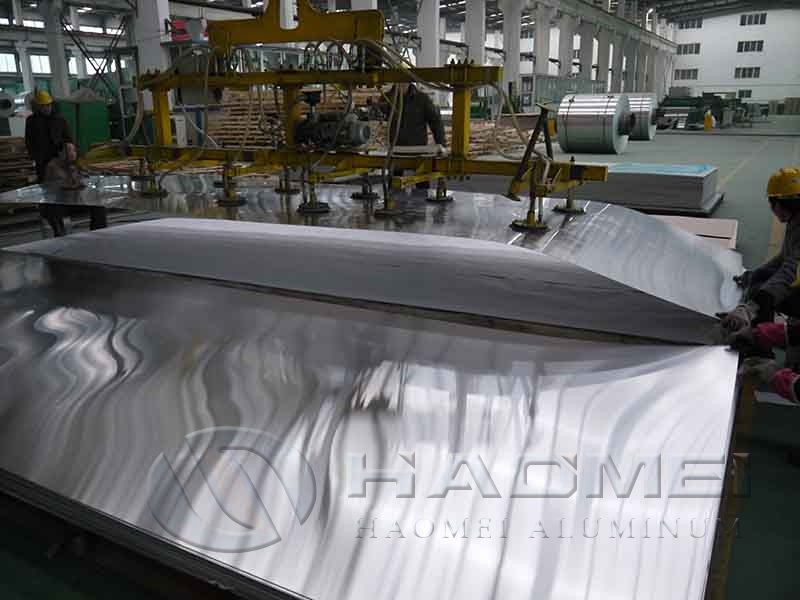
Logistics also matter. Large-width tanker plates require careful loading, moisture control, and edge protection. Ask how the supplier separates plates, protects corners, labels heats, and prevents surface abrasion during container or truck transport. For long-distance export orders, packing photos, loading photos, and pre-shipment inspection records are useful for later quality tracking.
When qualifying a supplier, review production capability, inventory stability, quality system, export experience, and response speed for technical questions. A reliable supplier should be able to explain the difference between AA5059 and other 5xxx grades, provide standard-compliant certificates, and support trial orders before full project supply. For special vehicles, it is also helpful if the supplier understands bending, rolling, welding, and tank fabrication requirements.
A practical ordering sequence is to approve a sample or trial batch first, run forming and welding tests, confirm surface and dimensional performance, then lock the specification for mass purchasing. This reduces the risk of changing materials during production and helps the tank factory maintain consistent quality across multiple vehicles.