
Bulk purchasers of tank truck sheet typically want two things at the same time: predictable forming performance and a stable delivered cost. Understanding aluminum plate for tanker price starts with matching the right alloy and temper to the shell, heads, baffles, and structural parts, then evaluating the cost drivers that move quotes up or down.
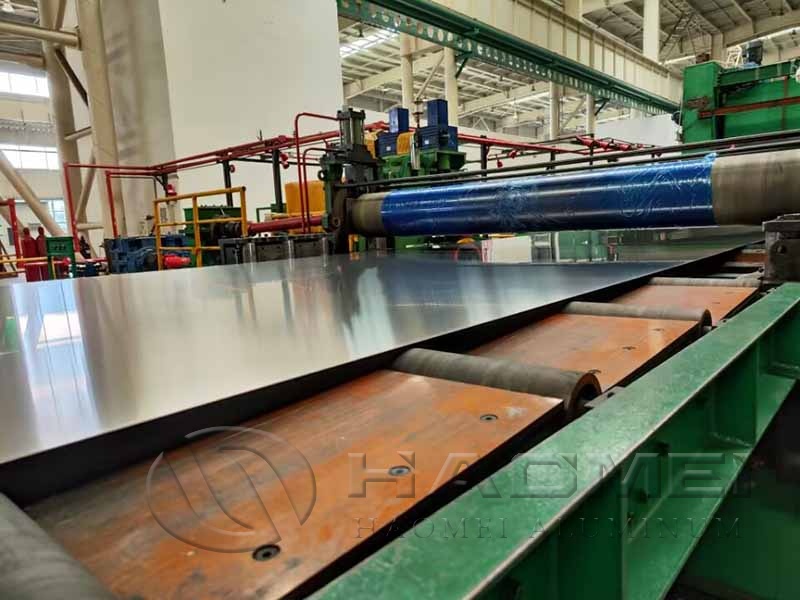
What Determines Aluminum Plate For Tanker Price in Real Orders
Pricing is rarely just a per ton number. In tanker builds, the final quote usually reflects these variables:
- Alloy selection: 5xxx series alloys dominate tanker service because they offer strong corrosion resistance and good weldability. Different alloys have different base costs and availability.
- Thickness and width: Heavy gauge and extra wide sheets can require specialized rolling capacity, higher yield loss, and stricter flatness control.
- Temper and forming requirement: O, H111, and H32 class tempers behave differently in forming and welding. Softer tempers can reduce cracking risk during deep forming, while stronger tempers may reduce required thickness.
- Surface and inspection: Requirements such as low surface waviness, tighter thickness tolerance, UT testing, or additional documentation add processing cost.
- Order size and lot structure: Full mill runs, fewer widths, and consistent thicknesses generally lower conversion cost compared with many small lots.
- Logistics: Export packing, container type, inland trucking, and delivery schedule can change the landed number meaningfully.
Recommended Grades and Specs for Tank Truck Service
For petroleum, chemical, and general liquid tank bodies, 5xxx alloys are commonly used. The most frequently requested sheets are 5083 and 5454 because they balance weld performance, corrosion resistance, and strength.
- For shell and heads needing excellent strength and durability, 5083 aluminum plate is widely specified. It is commonly supplied in O or H111 temper for forming and welding in large structures.
- For higher temperature service where sensitization resistance is considered, 5454 aluminum plate is often selected, especially when the tanker may see elevated operating temperatures.
Typical requested ranges vary by design code and manufacturer practice, but the market often sees the following purchase patterns.
| Tanker component | Common alloy options | Typical temper | Typical thickness range, mm | Notes affecting cost |
|---|---|---|---|---|
| Shell courses | 5083, 5454, 5754 | O, H111 | 4 to 10 | Width and flatness directly impact fabrication speed |
| Dished heads | 5083, 5454 | O | 5 to 12 | Softer temper reduces cracking in spinning or press forming |
| Baffles and bulkheads | 5083, 5182 | O, H111 | 4 to 8 | Cut quality and plate flatness help control fit-up |
| Walkways and steps | 3003, 5052 | H22, H32 | 2 to 5 | Often uses tread patterns and surface requirements |
| Reinforcement rings | 5083, 6061 | H111, T6 | 6 to 16 | Heavier gauge increases yield loss and handling needs |
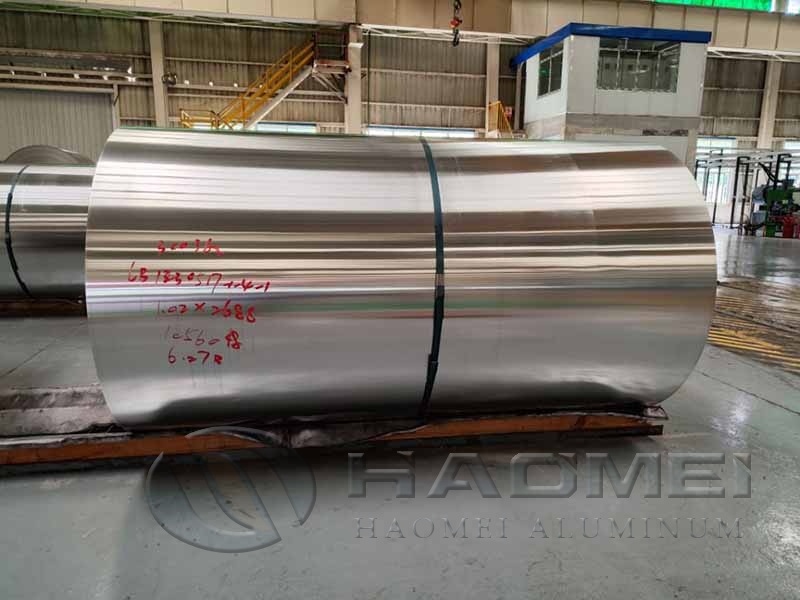
How to Evaluate Quotes and Lock in Value
Bulk procurement teams often compare multiple offers that look similar on the surface. The best comparison comes from aligning technical and commercial terms.
1. Confirm the specification set, not only the alloy
A quote should clearly state alloy, temper, thickness tolerance, width and length tolerance, flatness requirement, and surface quality. For tanker fabrication, a small improvement in flatness can reduce rework time, but it may raise conversion cost. The right balance depends on your forming method and welding sequence.
2. Match width and length to your cutting plan
Wide plates can reduce weld seams and speed assembly, but they may carry a premium due to mill capability and lower yield. If your design allows, choosing standard widths and optimizing nesting can reduce scrap and stabilize the delivered cost.
3. Ask for consistent heat and lot control for critical parts
If your production relies on repeatable forming, it is reasonable to request stable mechanical properties across lots. This can help reduce springback variation and prevent forming cracks. Some suppliers can offer tighter property windows or consistent coil or plate sources, which may affect lead time and price.
4. Understand market movement in 5xxx sheet
Prices typically move with primary aluminum costs, rolling conversion charges, and regional demand from transportation, shipbuilding, and pressure vessel related work. When demand for wide plate capacity is strong, lead times extend and premiums increase, especially for heavier gauges.
5. Consider packaging, handling, and damage prevention
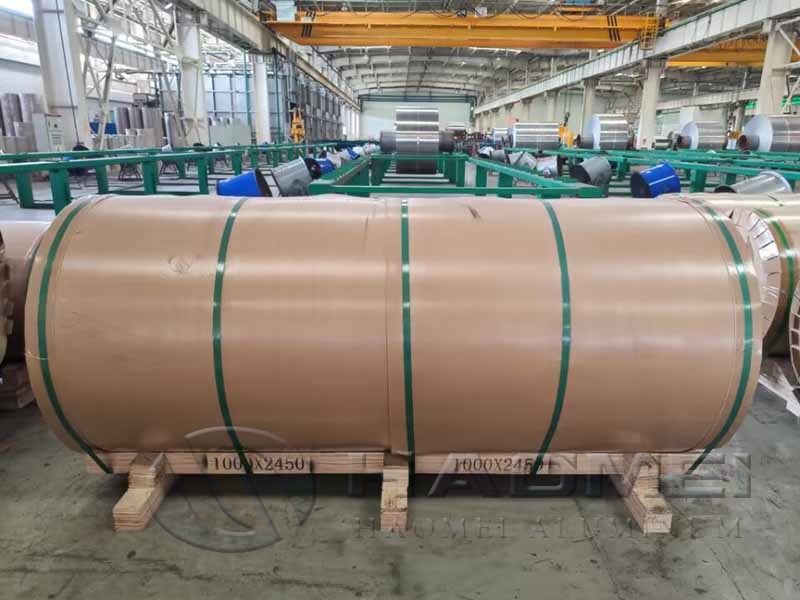
Tank truck sheet often needs clean surfaces for forming and welding. Protective interleaving, edge guards, and moisture controlled export packing reduce transit damage claims. These items add small cost but can prevent larger losses at fabrication.
6. What to provide for a fast, accurate price
To receive a quote that reflects your true landed cost, prepare:
- Alloy and temper, including any forming preference such as O for heads.
- Thickness and quantity by thickness.
- Target width and length, including maximum width your shop can handle.
- End use parts: shell, head, baffle, reinforcement, walkway.
- Required standards and testing documents, if any.
- Delivery port, destination, and packaging requirements.
7. Practical expectations on price differences between grades
In most purchasing cycles, the alloy difference is only one piece of the final number. Wide, heavy gauge plate with tighter tolerances often drives more cost than switching between two similar 5xxx alloys. If your design allows a standard width and moderate tolerance set, you usually gain more savings than negotiating alloy changes that could affect performance.
A professional sourcing decision is to align alloy and temper with fabrication and service requirements, then optimize dimensions, tolerances, and logistics to stabilize aluminum plate for tanker price across repeated orders.