
Recent English Q&A discussions around tanker materials have focused on one practical issue: how to choose 5182 aluminum sheet for an aluminum tank truck without creating welding, forming, or corrosion problems later. The following five questions reflect common searches seen across Google and industry forums during the last three months. Let's have a look.
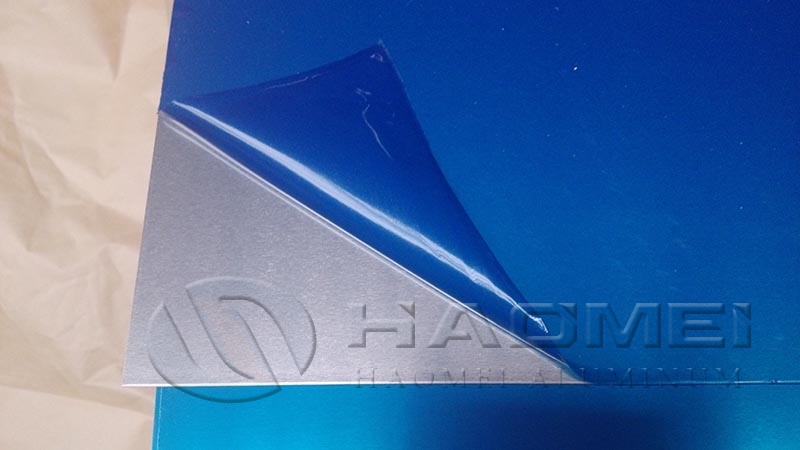
1. Is 5182 aluminum sheet strong enough for aluminum fuel tanker shells?
Yes, 5182 aluminum sheet can be used in tanker construction when the design code, thickness, temper, and weld procedure are matched properly. It belongs to the Al-Mg 5xxx family, so it offers a good balance of medium-high strength, formability, and corrosion resistance. For shell courses, many plants check 5182 against 5083, 5454, and 5754 before making the final material plan.
When a tank program needs certified 5xxx material with good bending behavior, 5182 aluminum plate is often evaluated for baffles, heads, bulkheads, and selected shell sections. For higher-stress shell courses, many tanker plants also compare it with 5083 aluminum plate because 5083 is widely recognized for heavy-duty tanker structures.
A practical strength review should not stop at tensile strength. Tanker engineers normally verify proof strength, elongation, weld efficiency, fatigue behavior, and forming radius. A sheet that looks strong on paper may still cause trouble if it cracks during flanging or loses too much strength in the heat-affected zone.
2. What is the difference between 5182, 5083, 5454, and 5754 aluminum tanker plates?
The alloys are related, but they are not interchangeable in every tanker position. The table below gives a manufacturing-focused comparison.
| Alloy | Typical tanker use | Main advantage | Production concern |
|---|---|---|---|
| 5182 aluminum sheet | Baffles, heads, bulkheads, formed parts, selected shell areas | Good forming and weldability | Confirm thickness tolerance and temper stability |
| 5083 aluminum plate | Main shells, high-strength structures, fuel tank bodies | Higher strength in 5xxx series | Requires controlled forming to avoid cracking |
| 5454 aluminum sheet | Chemical and hot-service tank applications | Better performance in some elevated-temperature conditions | Lower strength than 5083 in many cases |
| 5754 aluminum plate | Light-duty tanks, covers, formed parts | Excellent formability and surface quality | May need thicker design for strength |
The best selection depends on the cargo, operating temperature, tank diameter, compartment layout, road load, welding method, and local transport rules. For petroleum tank trucks, 5182 may be attractive where forming quality and corrosion resistance are important, while 5083 is frequently chosen for high-strength shell requirements.
3. Can 5182 aluminum sheet be welded without cracking or softening too much?
5182 aluminum sheet is considered weldable, but the welding result depends heavily on preparation and procedure. MIG welding is common in tanker production. TIG welding may be used for smaller assemblies or repair work. Since 5182 is non-heat-treatable, it does not rely on post-weld heat treatment for strength recovery. The welded joint strength comes from alloy selection, filler wire, joint design, and process control.
Common filler wires include 5356 and 5183, depending on the mechanical property target and corrosion requirement. Before welding, the oxide film, oil, marking ink, and moisture must be removed. A clean joint is especially important for tanker plates because porosity can become a leak risk during pressure testing.
| Welding control item | Recommended plant action |
|---|---|
| Edge preparation | Keep edges clean, dry, and burr-free |
| Heat input | Avoid excessive heat that widens the softened zone |
| Filler selection | Match cargo condition and strength demand |
| Joint inspection | Use visual inspection, leak testing, and NDT where required |
| Distortion control | Use balanced welding sequence and proper fixtures |
One frequent mistake is treating all 5xxx alloys the same. The welding procedure for a thin baffle is not the same as the procedure for a thick shell seam. Before batch production, a weld procedure qualification test is worth the time.
4. What thickness of 5182 aluminum sheet is commonly used for tank truck parts?
There is no universal thickness because tanker design depends on capacity, compartment quantity, shell diameter, transport regulation, and cargo density. However, common manufacturing ranges are often discussed as follows.
| Tanker component | Common 5182 thickness range | Notes |
|---|---|---|
| Baffles and anti-wave plates | 4.0 mm to 6.0 mm | Needs forming quality and opening reinforcement |
| Tank heads | 5.0 mm to 7.0 mm | Bending radius and dishing process matter |
| Bulkheads | 5.0 mm to 8.0 mm | Must handle liquid impact and compartment pressure |
| Light shell sections | 5.0 mm to 8.0 mm | Must be verified by design calculation |
For new tanker plate sourcing teams, the safer approach is to send the drawing, standard, cargo type, and forming process to the mill before ordering. A small change in temper or thickness tolerance can affect rolling, bending, and automatic welding speed. H111, H112, and O tempers are often reviewed because they offer different combinations of strength and formability.
5. Is 5182 aluminum sheet corrosion-resistant enough for gasoline, diesel, ethanol blends, or chemicals?
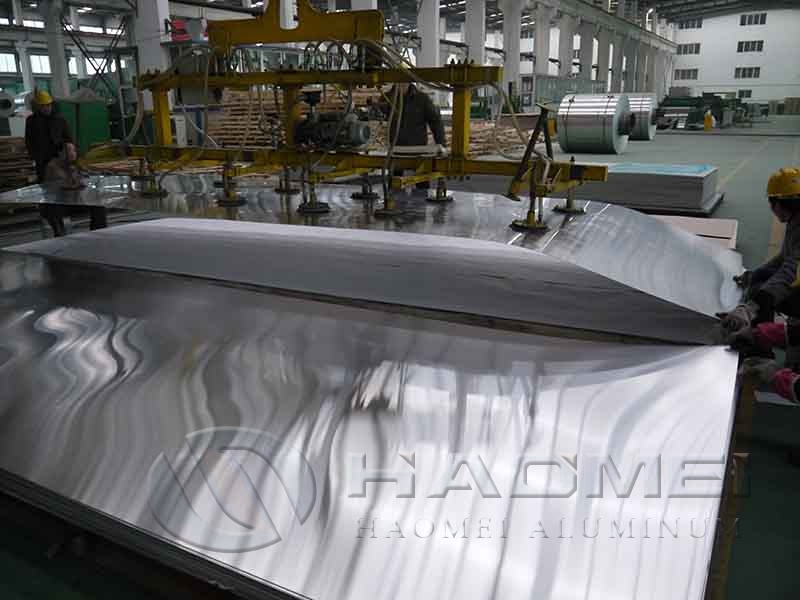
5182 aluminum sheet has good natural corrosion resistance because its magnesium-containing aluminum surface forms a protective oxide film. It is generally suitable for many petroleum transportation environments when the cargo is compatible and the tank is manufactured correctly.
Gasoline and diesel service usually focuses on weld integrity, cleanliness, internal surface condition, and water accumulation control. Ethanol blends require additional attention because water content and contamination can change the corrosion environment. For chemical tanks, compatibility must be checked by cargo name, concentration, temperature, and cleaning method. Strong alkalis, some acids, and chloride-rich environments may require another alloy or a lined tank.
| Corrosion factor | Why it matters for 5182 aluminum sheet |
|---|---|
| Cargo chemistry | Determines whether bare aluminum is suitable |
| Water contamination | Can promote localized corrosion in tank bottoms |
| Weld surface | Rough welds may trap residue and cleaning chemicals |
| Cleaning process | Strong cleaning agents can attack aluminum |
| Storage condition | Dry, ventilated storage reduces surface staining before fabrication |
For purchase specifications, request mill test certificates, chemical composition, mechanical properties, ultrasonic inspection if required, surface quality level, thickness tolerance, and packing method. Tanker plants should also confirm that plates are free from heavy scratches, oil stains, edge cracks, and lamination defects before cutting.
The most useful question is not simply whether 5182 aluminum sheet is good or bad. The more practical question is whether its temper, thickness, certification, forming behavior, and weld performance match the exact aluminum tank truck being built.