
Aluminium tanker plate keeps showing up in recent Q and A threads because tank builders are trying to balance payload, weldability, corrosion resistance, and compliance documentation, all while lead times fluctuate. Below are 5 of the most frequently asked English questions seen across Google, Quora, and industry forums over the last few months, with practical answers tailored to new sourcing decisions.
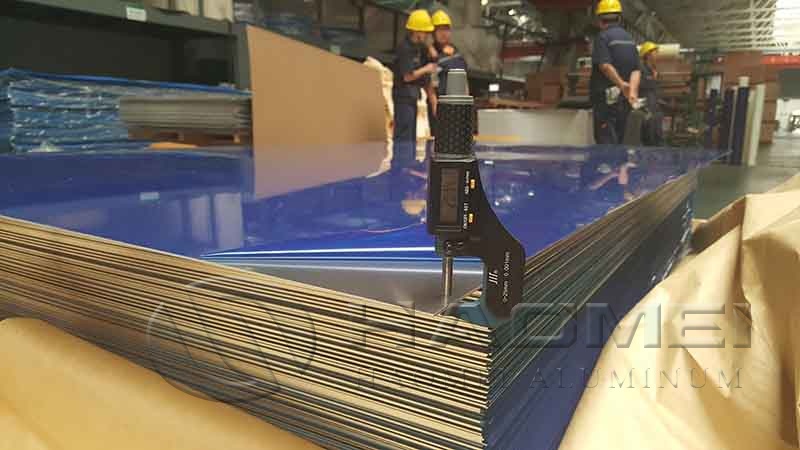
1) What is the best aluminium tanker plate grade for fuel, chemical, or water tank trucks: 5083, 5454, or 5754?
The best grade depends more on the cargo chemistry and operating temperature than on a generic notion of strength.
- 5083 (Al-Mg) is commonly chosen when you want high strength after welding and good marine style corrosion resistance. It is often selected for compartments, barrel shells, and structural members where higher mechanical properties matter.
- 5454 (Al-Mg) is frequently specified for elevated temperature service and is well known in tanker applications where stress corrosion resistance and stable performance are valued. Many fabricators like it for certain chemical or heated service designs.
- 5754 is a solid general purpose tank material with good corrosion resistance and formability, often used where you do not need the higher strength level of 5083.
A practical way to decide is to start with the applicable tanker standard, then confirm which alloy and temper your fabricator is already qualified to weld. If you already have established procedures and approvals for one alloy, switching alloys can create hidden cost in re-qualification.
Quick selection table
| Cargo or build priority | Common short list | Why it is short listed | Caution to check |
|---|---|---|---|
| Fuel tank truck (gasoline, diesel) | 5083, 5454 | Proven tanker history, strong after welding, good corrosion resistance | Confirm temper, forming radius, and weld procedure compatibility |
| Mild chemicals, mixed service | 5454, 5754, 5083 | Balance of corrosion resistance and fabrication | Verify chemical compatibility and cleaning regime |
| Maximum payload and stiffness | 5083 | Higher strength can allow design optimization | Do not assume thinner is always compliant or fatigue safe |
| High forming demand (heads, complex parts) | 5754, 5454 | Good formability | Validate min bend radius and anisotropy |
If you are comparing product options, it helps to review a mill offering for 5083 aluminum plate alongside alloy alternatives so you can match typical tanker thickness ranges and available widths.
2) What thickness of aluminium tanker plate is usually used for a tank truck shell and baffles?
Thickness is one of the hottest topics because people want to reduce tare weight, but tankers are governed by design codes, fatigue performance, dent resistance, and local reinforcement rules.
In real builds, thickness selection usually comes from:
- Design pressure and vacuum requirements (even atmospheric tankers see surge and dynamic loads).
- Compartment geometry (diameter, length, head type).
- Reinforcement layout (stiffening rings, bulkheads, baffles).
- Fatigue considerations around weld seams, manholes, and suspension induced vibration.
Rather than copying a number from another tank, ask the fabricator for a thickness map: shell, heads, bulkheads, baffles, and wear areas. Many issues blamed on alloy choice are actually thickness distribution problems, such as too thin near mounting points or manway cutouts.
Typical thickness decision factors
| Component | What drives thickness most | Common pitfalls when thinning |
|---|---|---|
| Barrel shell | Diameter, reinforcement, fatigue at longitudinal seam | Oil canning, denting, accelerated fatigue cracking |
| Heads | Forming method and knuckle radius | Thinning during forming, cracking at tight radii |
| Baffles and bulkheads | Slosh loads and weld access | Distortion, poor fit-up leading to weak welds |
| Mounting and wear zones | Chassis interface, road debris | Local cracking if not doubler reinforced |
If you are unsure whether your planned design can run thinner plate, request evidence: fatigue experience, code calculations, and weld procedure qualification records for the exact thickness.
3) Does aluminium tanker plate need special welding wire, and how do you avoid porosity and cracking?
Weld quality is a recurring Q and A theme because even good plate can fail in production if welding setup is inconsistent.
What usually matters most:
- Filler wire selection must match alloy and service goals (strength vs crack resistance vs corrosion behavior). Your welding engineer should choose filler based on alloy pairing, joint design, and code requirements.
- Cleanliness is critical. Most porosity complaints trace back to oxide, hydrocarbons, moisture, or poor gas coverage.
- Heat input control reduces distortion and helps maintain mechanical properties.
- Joint prep and fit-up matter as much as the plate. Gaps and misalignment create burn-through risk and lack of fusion.
Practical shop tips that reduce defects:
- Store plate and wire in dry conditions and avoid condensation before welding.
- Use consistent mechanical and chemical cleaning steps right before welding.
- Qualify procedures on the actual thickness range you will build, not just a single coupon.
If you are sourcing plate for a shop that already runs qualified procedures, confirm that the incoming plate surface condition and protective film will not interfere with their cleaning routine.
4) Is aluminium tanker plate compatible with ethanol blends, biodiesel, or corrosive chemicals?
This question appears often because fuel and chemical formulations vary by region and can change over time.
Aluminum performs very well in many environments, but compatibility is cargo-specific:
- Hydrocarbon fuels are typically compatible, but additives and water contamination can change corrosion behavior.
- Ethanol blends raise concerns mainly around water content, galvanic couples, and cleaning chemistry. Many fleets run aluminum tanks successfully, but you should validate the full system, including fittings, valves, and lining choices.
- Some chemicals can attack aluminum aggressively, especially in certain pH ranges or with halides. In those cases, alloy choice alone is not enough and you may need lining, different materials, or strict cleaning controls.
If the cargo list includes multiple products, ask for a written compatibility matrix that covers not only the plate alloy but also weld metal, gaskets, and any dissimilar metal contact points.
5) What certificates and standards should come with Aluminium Tanker Plate for tank truck manufacturing?
Documentation is a hot topic because many new purchasers discover too late that plate without the right paperwork cannot be used for regulated tank builds.
At minimum, expect:
- Mill test certificate (MTC) showing chemical composition, mechanical properties, heat number, and applicable standard.
- Traceability from plate to heat and to delivered pieces, especially if the shop cuts and nests parts.
- Dimensional tolerances and flatness information, because out-of-tolerance flatness can create fit-up problems and distortion.
- Inspection expectations: some builds require additional testing or third party verification depending on jurisdiction and tank code.
When comparing suppliers, ask whether the producer can consistently provide tanker-used alloys and support repeatability. For example, if your design calls for 5454, it can be useful to align sourcing with a dedicated offering for 5454 aluminum plate so widths, tempers, and documentation stay consistent from batch to batch.
A practical pre-order checklist you can send to a supplier
| Item to confirm | Why it matters in tank truck fabrication | What to request |
|---|---|---|
| Alloy and temper | Affects forming, welding behavior, and strength | Exact alloy, temper, and applicable standard |
| Thickness and tolerance | Impacts fit-up and compliance | Nominal thickness, tolerance, and measurement method |
| Surface condition | Influences weld prep and cleanliness | Surface finish, protective film type, storage guidance |
| Plate width and length | Reduces weld seams and improves productivity | Max available width, cut-to-size capability |
| Certification and traceability | Needed for regulated tanks and audits | MTC with heat numbers, marking method, packing list |
These Q and A issues tend to come up repeatedly because aluminum tank truck performance is system-driven: plate grade, thickness distribution, weld procedure, and documentation must all align with the tank code and the fabricator's proven process.