
Aluminum alloy 5083 is one of the most used materials for liquid cargo tank trucks because it balances high strength, good weldability, and strong corrosion resistance in harsh road and chemical environments. For bulk purchasers, the challenge is not only selecting "5083", but also choosing the right temper, thickness, flatness, and inspection level that match the tank design and the fabrication process.
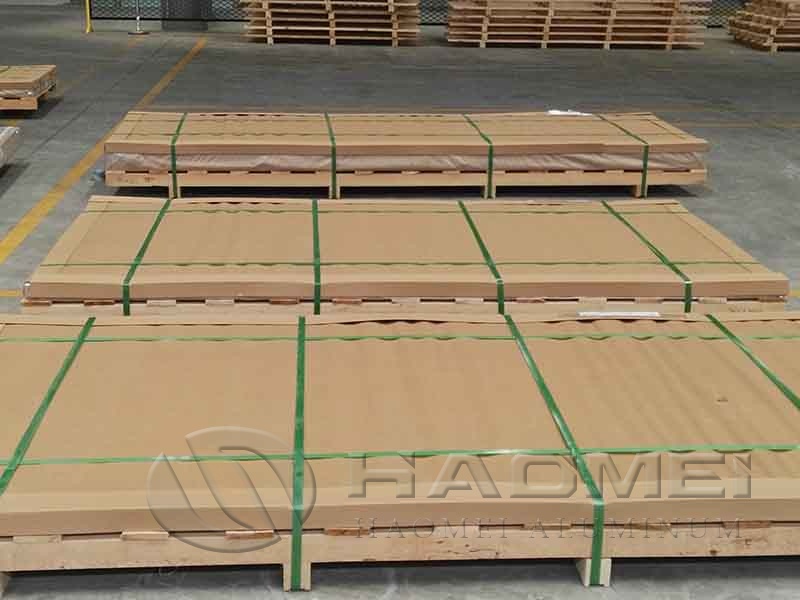
Why Aluminum Alloy 5083 Works So Well in Tank Trucks
5083 is an Al Mg alloy, meaning its strength mainly comes from magnesium and strain hardening rather than heat treatment. That matters in tanker manufacturing because most shells, heads, baffles, and manways are heavily welded. A non heat treatable alloy typically keeps more predictable properties after welding compared with heat treatable grades that can lose strength in the heat affected zone.
In real tank service, corrosion behavior is just as important as strength. 5083 is widely recognized for good performance in marine and industrial atmospheres, and it is often selected when cargo, wash water, or road deicing salts are part of the service environment. That said, alloy selection should still be matched to cargo compatibility and cleaning chemicals, and confirmed against the tank specification used by the OEM.
From a production standpoint, 5083 is commonly supplied as plate and can be rolled to the curvatures used in cylindrical shells. It also supports typical fabrication steps such as cutting, forming, welding, and post weld leak testing.
Typical Parts and What to Specify When Ordering
Bulk orders often fail not because of the alloy name, but because the purchase order does not lock down the details the fabricator and inspector will actually check. The table below highlights common tanker parts and what buyers should specify.
| Tanker component | Common requirements | What to lock in on the PO | Why it matters |
|---|---|---|---|
| Shell courses | Stable forming and weld performance | Alloy, temper, thickness, width and length, flatness tolerance | Poor flatness increases fit up time and weld distortion risk |
| Dished heads | Deep forming capability | Temper suitability for forming, thickness tolerance, grain direction preference | Forming cracks and excessive thinning can occur if temper is too hard |
| Baffles and bulkheads | Weld integrity, fatigue resistance | Thickness tolerance, edge quality, ultrasonic testing level if required | Internal structures see vibration and slosh loads |
| Walkways and covers | Slip resistance and stiffness | Pattern type if tread material is used, temper, gauge | Improves safety and reduces deflection |
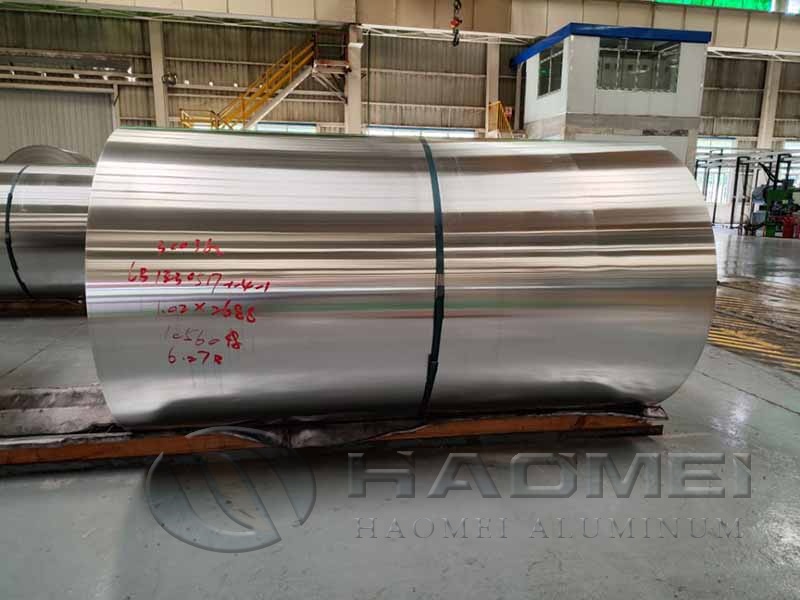
When customers ask for "tank truck aluminum sheet", the most important follow up questions are:
What is the drawing thickness range and tolerance requirement.
What temper does the forming process need.
Will the shop require ultrasonic testing for internal quality.
What are the minimum mechanical properties required by the tank code or customer specification.
If you need a standard product page reference for procurement alignment, you can specify 5083 aluminum plate in the material section of the RFQ, then add the exact temper, dimensions, and inspection requirements as line items.
Purchasing Checklist: Temper, Standards, Inspection, and Supply Risk
Temper selection for tank fabrication
5083 is typically supplied in strain hardened tempers. In tanker work, the goal is a temper that is strong enough for service while still formable for rolling and head forming. Because different plants use different forming radii and presses, the best practice is to confirm the temper with the fabricator and validate it through a small forming trial, especially for dished heads or tight radius parts.
Standards and compliance
To avoid disputes at receiving inspection, reference an established material standard in the purchase order and require mill test certificates. Commonly used standards for aluminum plate include ASTM specifications in many markets, while EN standards are common in Europe. Your engineering team should choose the standard that matches the tank design jurisdiction and customer requirements.
Also confirm whether the tank program requires:
Traceability by heat number on each plate or on each cut piece.
Specific marking methods that survive cutting and forming.
Third party inspection or witness testing.
Inspection and quality controls that reduce rework
For bulk procurement, the highest hidden cost is fabrication rework caused by internal defects, thickness variation, or poor flatness. Consider adding the following to the order depending on criticality:
Ultrasonic testing requirement for plate integrity when specified by design.
Tightened thickness tolerance for shell rolling consistency.
Defined limits on surface defects in areas that will be formed or will remain cosmetic.
Coil vs plate supply planning
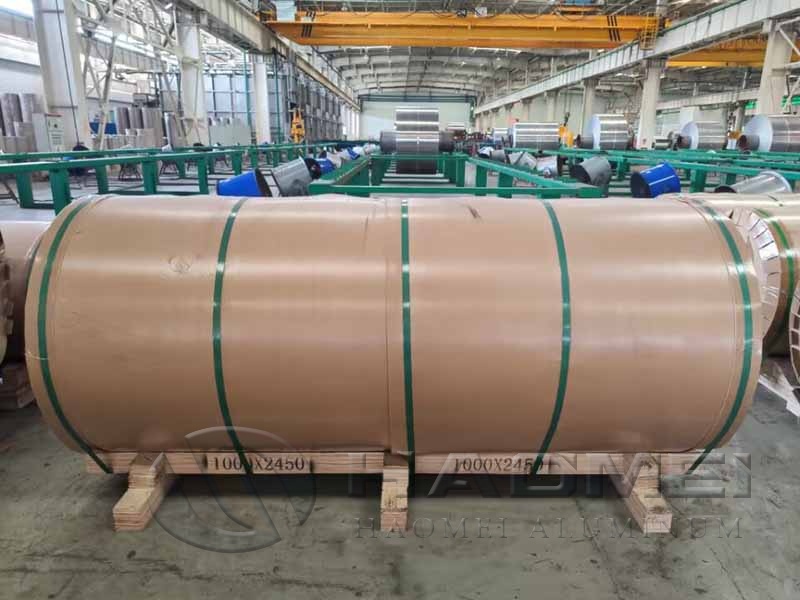
Some tanker components can be produced efficiently from coil, while others require discrete plate for stiffness and handling. If you are sourcing bulkhead material or long internal parts, Aluminium coil for tankers bulkhead can help standardize feeding and reduce scrap, provided the shop is set up for coil processing.
Cost drivers and market cycles
Pricing is influenced by the base aluminum index, alloying additions, conversion cost, and the premium for wide or thick gauges. For 5083, magnesium content and rolling capacity can influence lead times, especially for super wide plate used to reduce longitudinal weld seams.
To control landed cost while maintaining quality:
Consolidate sizes around the tank platform to improve mill scheduling.
Use preferred widths that minimize trimming and maximize nesting yield.
Lock in delivery windows early during peak trailer and tanker build cycles.
A practical RFQ template you can reuse
Include these fields so suppliers can quote apples to apples:
Alloy: 5083.
Temper: as required by forming and design.
Thickness: nominal and tolerance.
Dimensions: width, length, and allowable substitutions.
Standard: ASTM or EN designation selected by engineering.
Certification: mill test certificate, heat number traceability.
Inspection: UT requirement if needed, surface quality limits.
Packaging: interleaving, edge protection, moisture control.
Logistics: delivery sequence aligned with fabrication batches.
Well specified 5083 purchases reduce fabrication time, limit weld fit up issues, and improve consistency across tank truck builds, which is exactly what large volume programs need.