
The following questions reflect practical English search and Q&A patterns recently seen around aluminum tanker plate selection, tank truck fabrication, and alloy comparison. For procurement teams evaluating 5182 alloy, the real concern is not only price per ton. It is whether the plate can be formed, welded, inspected, and kept stable during years of fuel or chemical transport service.
1. Is 5182 alloy suitable for aluminum tanker plate, or is 5083 safer?
5182 alloy can be suitable for specific aluminum tank truck parts where high formability and good weldability are needed. It is an Al-Mg alloy with relatively high magnesium content, often chosen when the plant needs plates or sheets that can be bent, flanged, spun, or pressed into complex shapes. This makes it attractive for tanker heads, baffles, partitions, and some formed structural parts.
However, 5083 remains the more common choice for heavy-duty tank shells because it offers excellent strength, seawater corrosion resistance, and proven service history in transport tanks. If the tank body carries gasoline, diesel, aviation fuel, or mild chemicals, many manufacturers compare 5182 with 5083 aluminum plate before finalizing the bill of materials.
A practical approach is to use 5182 alloy where forming performance matters most, and 5083 or 5454 where shell strength and long-distance service records are prioritized. The final choice should match the tank design code, welding procedure, cargo medium, road load, and forming equipment.
| Item | 5182 Alloy | 5083 Alloy | Typical Tanker Decision |
|---|---|---|---|
| Formability | Very good | Good | 5182 is strong in formed heads and baffles |
| Strength | Medium-high | High | 5083 is often preferred for main shells |
| Weldability | Good | Excellent | Both require qualified filler and procedure |
| Corrosion resistance | Good | Excellent | Check cargo compatibility |
| Common use | Heads, partitions, formed parts | Shells, heads, structural plates | Often used together by design |
2. What thickness of 5182 aluminum plate is normally used for tank truck parts?
There is no universal thickness because tanker plate thickness is decided by tank volume, compartment layout, design pressure, cargo density, head shape, reinforcing structure, and local regulation. In many aluminum tank truck projects, 5182 sheet or plate may appear in the approximate range of 3 mm to 8 mm for formed internal structures, tank heads, and baffles. Thicker material may be used when forming depth, stiffness, or impact allowance requires it.
For the main shell, a designer may choose another alloy and thickness based on finite element calculation or code rules. A 45,000-liter fuel tanker, for example, may not use the same plate thickness as a smaller aviation fuel refueler or a compact city delivery tank.
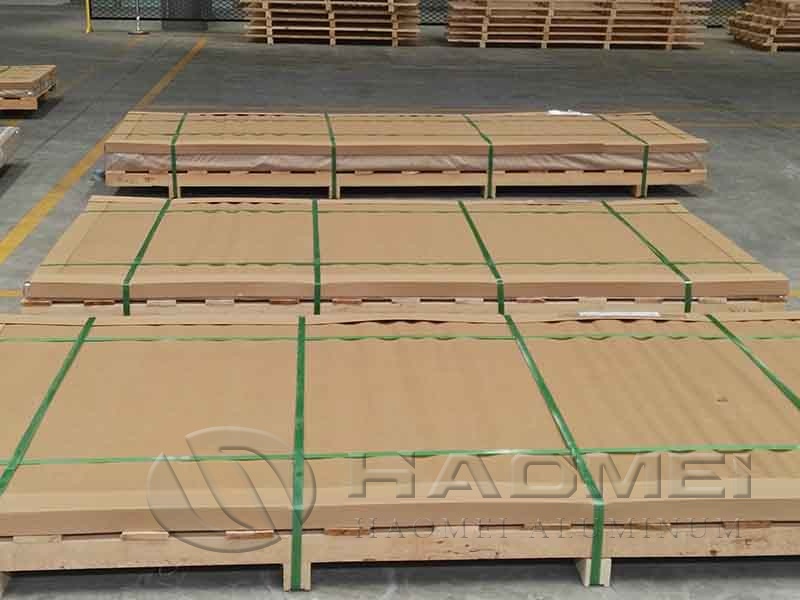
When sourcing 5182 aluminum plate, do not rely only on nominal thickness. Ask for tolerance control, flatness, surface quality, temper, and ultrasonic or visual inspection level if the part will be welded or deeply formed. A small thickness deviation may affect forming repeatability and weld seam alignment.
3. Can 5182 alloy be welded for aluminum tank truck manufacturing?
Yes, 5182 alloy is weldable, but welding success depends on preparation and procedure control. Like other Al-Mg alloys, it requires clean surfaces, correct filler selection, stable shielding gas, and strict control of oil, moisture, oxide film, and workshop dust. Poor cleaning can create porosity even when the base metal itself is acceptable.
Common fabrication methods include MIG welding and TIG welding, depending on plate thickness and production speed. For tank truck plants, MIG welding is widely used because it is efficient for long seams, compartment welds, and shell assemblies. The welding procedure specification should define filler wire, current, voltage, travel speed, shielding gas flow, groove form, pre-weld cleaning, and interpass control.
Important welding checks include:
| Welding Concern | Why It Matters | Practical Control |
|---|---|---|
| Porosity | Can reduce leak-tightness | Remove oil, oxide, and moisture before welding |
| Distortion | Affects tank roundness and assembly | Use balanced welding sequence and fixtures |
| Softening near welds | Can reduce local strength | Confirm design strength after welding |
| Leak risk | Tankers require tight seams | Use pressure test, air test, or liquid penetrant where required |
A reliable plate supplier should provide mill test certificates and stable chemistry. A reliable tank plant should qualify welding procedures before batch production.
4. How corrosion resistant is 5182 alloy for gasoline, diesel, and ethanol blends?
5182 alloy has good corrosion resistance in many atmospheric and transport environments because magnesium improves its performance compared with pure aluminum. For gasoline and diesel tanks, corrosion is often less aggressive than in marine saltwater exposure. Still, the real risk comes from water contamination, chloride, acidic residues, incompatible cleaning agents, or poorly controlled ethanol blend storage.
If the cargo includes ethanol-blended fuel, methanol, additives, or special chemicals, the compatibility review should be done before ordering plate. Aluminum alloys can perform well in many fuel services, but cargo purity, water content, temperature, and cleaning cycles can change the corrosion picture.
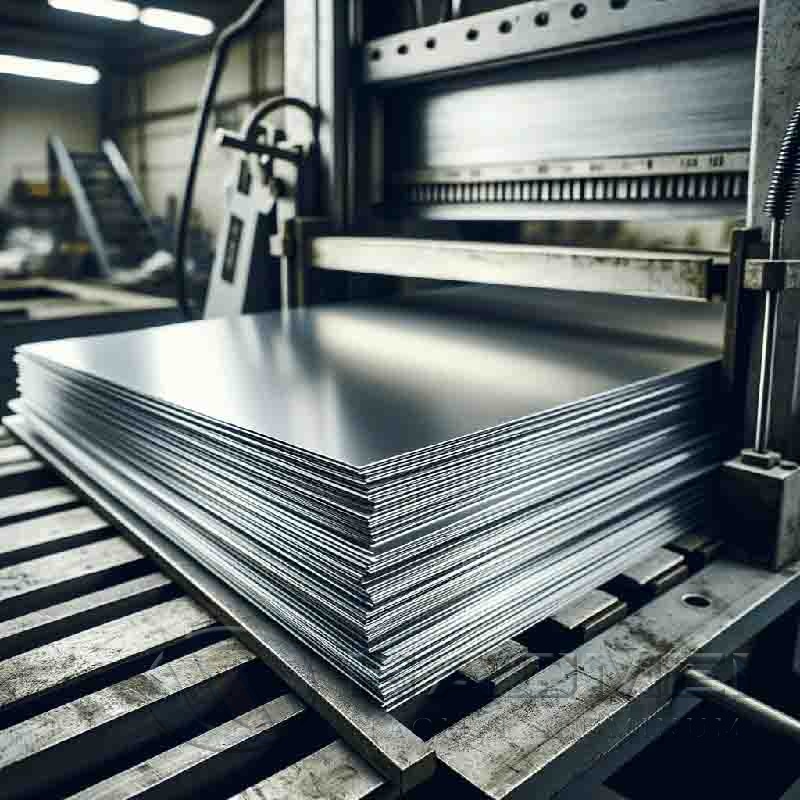
Surface condition also matters. Scratches, embedded steel particles, and weld spatter can create local corrosion points. During fabrication, aluminum tanker plate should be kept away from carbon steel grinding dust. Use dedicated brushes, clean gloves, and suitable packaging to protect the surface before forming and welding.
5. Which temper and documents should be specified for 5182 alloy tanker applications?
For tanker manufacturing, temper selection should match forming and strength requirements. Softer tempers are easier to form into heads or deep curved parts, while harder tempers offer higher strength but may be less forgiving during bending. Common discussions include O, H111, H112, and other strain-hardened conditions, depending on the exact standard and product form.
A purchase specification should clearly state alloy, temper, thickness, width, length, surface finish, edge condition, standard, mechanical properties, chemical composition, and packaging method. For tank truck use, documentation is especially important because the plate may later be traced to a finished vehicle, weld seam, or compartment.
| Document or Requirement | What to Check |
|---|---|
| Mill test certificate | Alloy chemistry, temper, tensile strength, elongation |
| Dimensional report | Thickness tolerance, width, length, flatness |
| Surface inspection | No severe scratches, stains, cracks, or laminations |
| Traceability | Heat number or batch number connected to shipment |
| Packaging | Moisture protection and anti-scratch separation |
If the part will be cold formed, request a sample bending or forming trial before mass production. If it will be welded into a pressure or dangerous goods tank, confirm that the alloy and temper are accepted by the design standard and local approval process.
5182 alloy is not a one-size-fits-all replacement for every tanker plate, but it is a valuable option when a tank truck plant needs a balance of formability, weldability, moderate strength, and corrosion resistance. The smartest specification is built around the actual tank structure, cargo medium, forming method, and inspection plan rather than alloy name alone.