
Road tank trucks require materials that balance low vehicle weight, corrosion resistance, weldability, and stable performance during long service cycles. For petroleum, chemical, and bulk-liquid trailers, 5454 aluminum plate is widely used because it provides dependable corrosion resistance and good strength in strain-hardened tempers.
The alloy alone does not determine whether a tanker body is suitable for service. Tank design, shell thickness, welding procedure, cargo compatibility, operating temperature, and local transport regulations must all be considered together. For bulk purchasing, the practical goal is to define a consistent material specification that can be verified from mill production through fabrication.
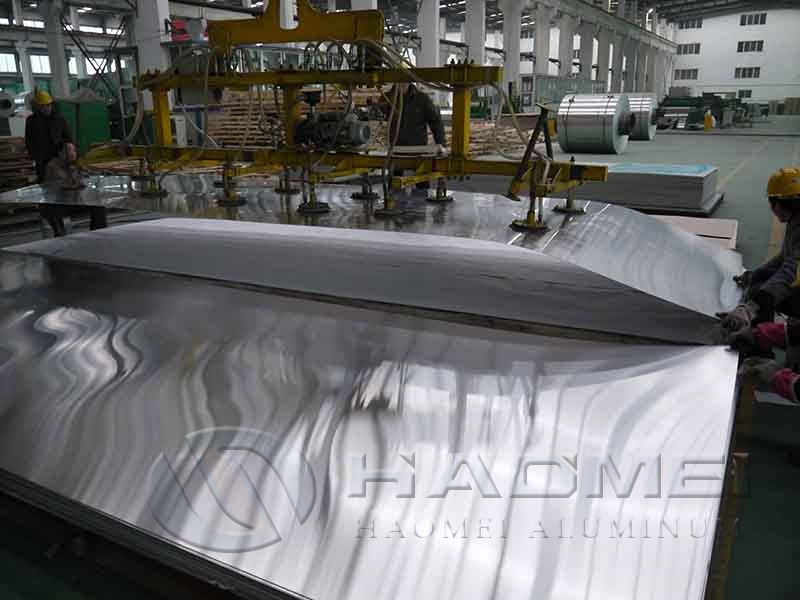
Why 5454 Aluminum Plate Is Used for Tank Trucks
Alloy 5454 is an aluminum-magnesium alloy designed for good corrosion resistance and useful strength, including at moderately elevated temperatures. It is commonly supplied in strain-hardened tempers such as H32, although the required temper depends on the tanker design, thickness, forming method, and manufacturer approval.
Compared with steel, aluminum can reduce tare weight and support a higher payload within applicable gross vehicle weight limits. Its naturally formed oxide layer also helps protect the material in many outdoor and liquid-cargo environments. However, corrosive cargoes, cleaning chemicals, chloride exposure, and trapped moisture should always be reviewed by the tank manufacturer and cargo-compatibility specialist.
For tanker shell applications, 5454 aluminum plate is often selected where fabricators need a practical balance between forming performance and in-service durability. It can be rolled into large-radius shells and welded using qualified procedures. Heat from welding locally reduces the strength of strain-hardened 5xxx alloys, so shell thickness and weld-joint design must account for the applicable design rules.
| Material factor | Why it matters for tank trucks | What to specify in a purchase order |
|---|---|---|
| Alloy and temper | Controls strength, forming response, and weld-zone performance | 5454 grade, required temper, and governing standard |
| Thickness tolerance | Affects shell design, rolling, and finished tank weight | Nominal thickness and acceptable tolerance range |
| Width and length | Reduces weld seams and fabrication scrap | Maximum width, cut length, and edge condition |
| Surface condition | Helps welding, forming, and appearance | Mill finish, protective film if needed, and defect limits |
| Documentation | Supports traceability and inspection | Mill test certificate, heat number, and inspection records |
In North America, ASTM B209 is commonly referenced for aluminum and aluminum-alloy sheet and plate requirements. In European supply chains, EN 485 standards may be relevant for tolerances and mechanical properties. The selected standard, revision, temper, thickness range, and testing requirements should be written clearly in the contract. A general alloy label is not sufficient for a safety-critical vehicle component.
How to Specify Plate for Tanker and Special-Vehicle Fabrication
Start with the tank builder's approved drawing and bill of materials. The drawing should define shell, head, baffle, bulkhead, walkway, frame interface, and reinforcement requirements separately. These parts may not require the same alloy, temper, or thickness. For example, a fabricator may use one material for the cylindrical shell and another for higher-strength structural sections.
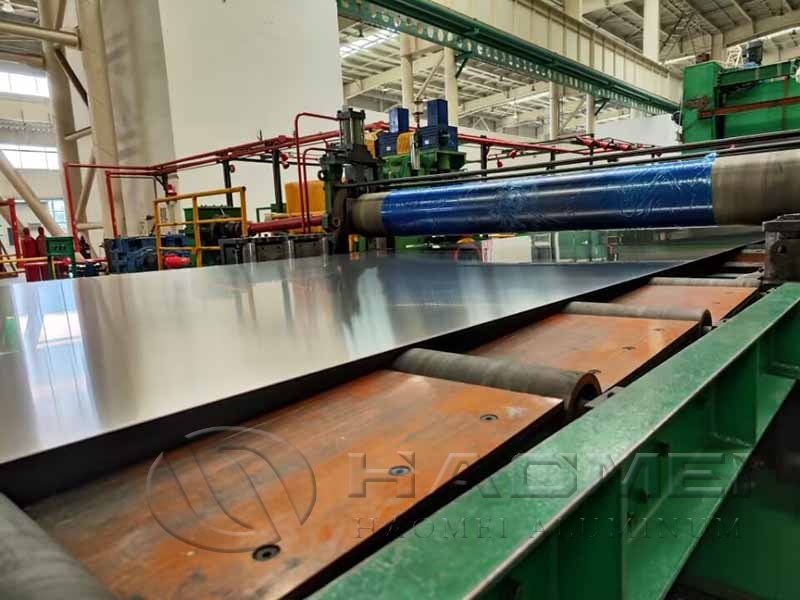
Large-format material can reduce longitudinal seams, but wider plate must still match the rolling capacity, handling equipment, and forming process of the factory. Ask the fabricator for its preferred maximum sheet width, coil or plate format, inside bend radius, and edge preparation method before fixing dimensions.
Use the following checkpoints when preparing a bulk inquiry:
- State the application, such as petroleum road tanker shell, non-pressure compartment tank, bulkhead, or special-vehicle body component.
- Identify the exact alloy and temper required by the approved design, such as 5454-H32 where applicable.
- Provide thickness, width, length, quantity per size, and annual demand estimate.
- Request mechanical-property results, chemical composition, and thickness measurements on the mill test certificate.
- Define surface expectations, including no deep scratches, dents, oil contamination, edge cracks, or laminations that could affect rolling or welding.
- Confirm whether ultrasonic examination, protective packaging, or third-party inspection is required.
Mechanical properties should be checked against the applicable standard and the actual thickness range. Tensile and yield values can vary with temper and gauge. Do not rely on a generic data sheet when the final tank design requires certified values. A EN 10204 3.1 inspection certificate, or an equivalent mill certificate accepted by the project, provides useful traceability when it links the delivered plates to the production heat and test results.
Some tank builders compare 5454 with 5083 aluminum plate for parts requiring different strength or corrosion-performance characteristics. This comparison should be based on the approved engineering design rather than a simple price-per-ton comparison. Higher-strength material may affect forming, welding practice, availability, and delivery timing.
Supply, Inspection, and Cost Control for Bulk Orders
The cost of tanker-grade aluminum is influenced by the aluminum market, regional conversion premiums, ingot availability, rolling capacity, plate width, thickness, temper, certification, packaging, and freight. Very wide sheets, uncommon gauges, tight flatness requirements, and short production runs normally increase conversion cost. Stable annual forecasts often help suppliers plan rolling schedules and reduce avoidable size changes.
For recurring purchases, use a technical agreement that defines acceptable tolerances and inspection methods. A sample agreement can include:
| Inspection point | Recommended control |
|---|---|
| Alloy identity | Verify heat number against the mill certificate |
| Thickness | Measure across the width and at agreed locations |
| Dimensions | Check width, length, squareness, and edge quality |
| Surface | Inspect both sides under suitable lighting before forming |
| Flatness | Confirm against the agreed standard or fabrication limit |
| Packaging | Use moisture-resistant protection, separators, and secure pallet support |
Receiving inspection is especially important for imported plate and long-distance transport. Store material indoors where possible, keep bundles dry, and avoid direct contact with standing water or unprotected steel. If plates arrive with water staining, handling damage, or identification that does not match the certificate, isolate the affected material before it enters the rolling and welding process.
For regulated cargo tanks, material selection must align with the certified tank design and applicable transport rules. In the United States, cargo-tank requirements are addressed under 49 CFR Parts 178 and 180. These regulations do not make a particular plate alloy automatically acceptable for every cargo or tank configuration. Fabricators should confirm the approved design, welding qualifications, pressure or leak testing requirements, and service restrictions before releasing production material.