
Aluminium alloy 5182 is a non-heat-treatable Al-Mg alloy known for good formability, corrosion resistance, and welding suitability. It is widely associated with formed transportation parts, automotive panels, and packaging applications. For tank truck manufacturing, however, procurement teams should assess 5182 carefully rather than treating it as a direct substitute for every tank shell material.
Tank trucks carry demanding loads. The material must withstand repeated filling cycles, road vibration, welded construction, corrosion exposure, and the specific product being transported. The correct alloy, temper, thickness, and certification package must be selected together.
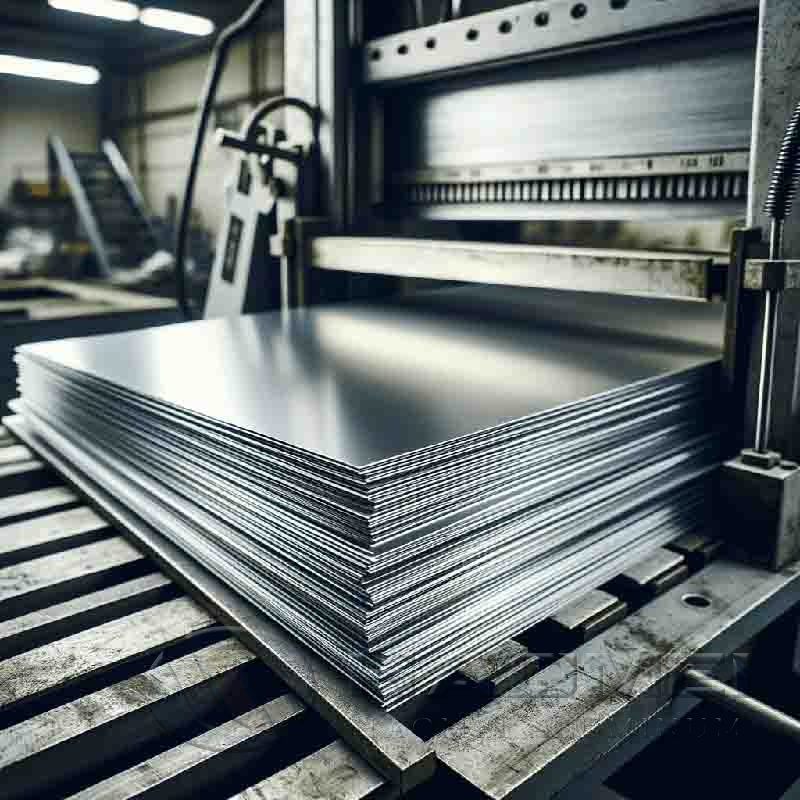
Where Aluminium Alloy 5182 Fits in Tank Truck Production
5182 belongs to the 5xxx aluminum alloy family. Magnesium is its main alloying element, giving the material useful corrosion resistance and strength without requiring heat treatment. Compared with some higher-magnesium marine and tanker alloys, 5182 is often selected where forming performance is especially important.
In tank truck and special-vehicle production, 5182 may be considered for formed parts such as covers, protective panels, enclosures, certain bulkhead-related components, or other non-shell structures where the engineering design permits its use. Its final suitability depends on the design load, temper, forming radius, welding method, service temperature, and the transport regulations applicable to the vehicle.
For cylindrical tank shells carrying fuels, chemicals, or other hazardous liquids, 5083 and 5454 are more commonly specified in many markets. These alloys have established use in welded transportation and storage structures. A fabricator should not replace a qualified shell alloy with 5182 solely because the chemical composition appears similar.
| Alloy | Typical Tank Truck Use | Main Strength | Procurement Consideration |
|---|---|---|---|
| 5182 | Formed vehicle parts, covers, panels, selected fabricated components | Good formability and corrosion resistance | Confirm structural design approval and welding requirements |
| 5083 | Tank shells, pressure-related structures, marine and transport equipment | Higher strength and excellent welded performance | Confirm temper, plate thickness, and project specification |
| 5454 | Tank bodies and road tank applications, especially where heat exposure may matter | Good corrosion resistance and stable elevated-temperature performance | Verify end-use medium and applicable transport standard |
| 5754 | General vehicle panels, flooring, and fabricated components | Good formability and medium strength | Often suitable for non-critical structural applications |
When a customer needs material for a tank shell, 5083 aluminum plate is often evaluated first because of its recognized strength and corrosion performance in welded structures. For road tanker applications where service conditions and design specifications support it, 5454 aluminum plate is another widely considered option.
What to Specify When Purchasing 5182 Plate for Tanker Projects
A purchase order should define more than alloy name and thickness. A vague request such as "5182 aluminum sheet" can lead to inconsistent temper, surface condition, flatness, or documentation. These differences can affect bending, welding, fabrication yield, and compliance review.
Procurement specifications should normally include the following items.
| Item to Specify | Why It Matters |
|---|---|
| Alloy and temper | Mechanical properties vary significantly by temper. Confirm the exact condition required by the drawing. |
| Thickness tolerance | Tank and vehicle components need consistent thickness for forming, welding, and weight control. |
| Width and length | Proper dimensions reduce trimming loss and improve nesting efficiency. |
| Surface finish | Specify mill finish, protective film, or other surface requirements for visible or formed parts. |
| Flatness and edge condition | These influence cutting, rolling, stamping, and automated welding performance. |
| Mechanical test report | Confirms tensile strength, yield strength, and elongation for the supplied lot. |
| Chemical composition report | Verifies alloy conformity against the agreed material standard. |
| Traceability | Heat number, lot number, and certificate linkage support quality control and project records. |
The applicable standard should be stated in the order and matched with the destination market. Common references for wrought aluminum sheet and plate include ASTM B209 and the EN 485 series, but the correct standard depends on the project specification and regional requirements. Vehicle-level compliance may also involve ADR requirements in Europe, DOT requirements in the United States, or local hazardous-goods transport rules. Material certificates alone do not certify a completed tank vehicle.
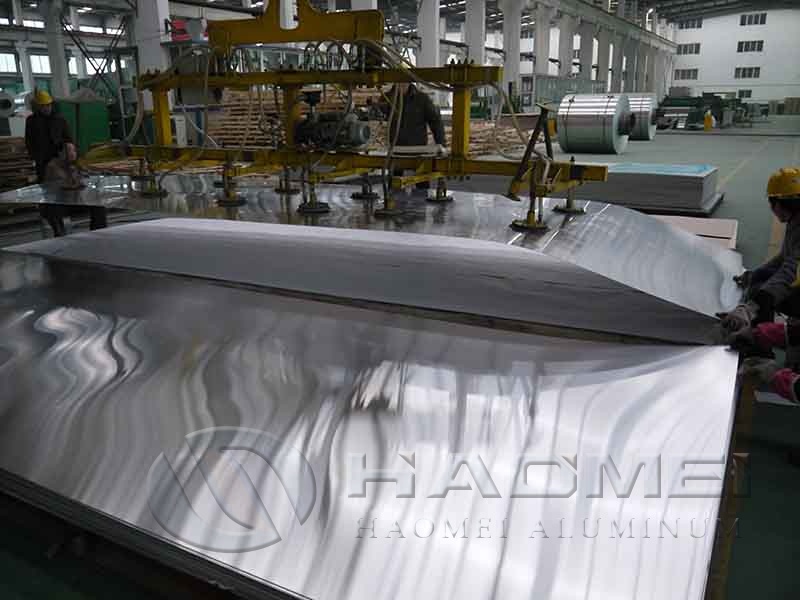
Practical Checks for Bulk Supply and Fabrication Quality
For large-volume orders, sample approval should take place before full production. The sample should represent the intended thickness, temper, width, and surface condition. If the part will be deeply formed, conduct forming trials using the actual tooling geometry where possible. If welding is required, verify the approved welding procedure, filler wire selection, and post-weld performance with the fabricator.
Thickness selection should be based on engineering calculations, tank diameter, internal partitions, mounting arrangement, transported medium, and legal weight limits. Choosing a thinner plate to reduce vehicle mass can reduce safety margin or increase fabrication distortion. Selecting excessive thickness can increase cost, vehicle tare weight, and fuel consumption. The target is a design-approved thickness with stable supply availability.
For recurring supply, ask the mill or distributor about rolling capacity, maximum plate width, lead time, minimum order quantity, packaging method, and certificate format. Tank truck manufacturers often need wide material to reduce longitudinal welds and improve production efficiency. Consistent coil or plate origin can also help maintain stable forming behavior from batch to batch.
Incoming inspection should check dimensions, surface defects, edge damage, packaging condition, certificate consistency, and heat-number traceability. For critical projects, independent chemical analysis or mechanical testing may be appropriate under the agreed inspection plan. These controls are particularly important when material will be used in hazardous-liquid transport equipment or special vehicles operating under strict regulatory oversight.