
The 5182 aluminum plate price is not a single fixed number. It moves with the aluminum market, magnesium cost, processing route, plate thickness, order quantity, and quality requirements. For tank truck and special vehicle factories, understanding the price structure is just as important as comparing quotations. A lower unit price may not reduce total cost if the plate has poor flatness, inconsistent mechanical properties, delayed delivery, or unsuitable certification.
5182 belongs to the Al-Mg series of non-heat-treatable alloys. It is known for good formability, corrosion resistance, and weldability. In tank truck production, it is often considered for formed parts, baffles, heads, partitions, and some structures where bending and drawing performance matter. For shell plates exposed to higher stress or stricter transport rules, plants may also evaluate 5083, 5454, or 5754 depending on cargo, temperature, design code, and welding plan.
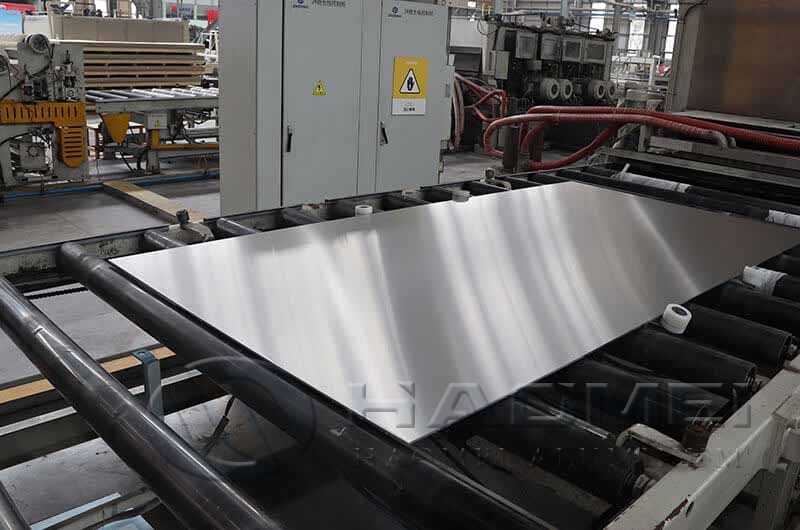
What Shapes the 5182 Aluminum Plate Price?
The market base is usually linked to primary aluminum prices such as LME or regional ingot prices. On top of that, mills add processing charges, alloy surcharges, testing fees, packaging, and freight. Since 5182 contains magnesium and manganese, its cost can rise when magnesium supply is tight. Wide plates, tight thickness tolerance, special tempers, and surface protection also add cost.
A practical quotation for 5182 aluminum plate normally includes alloy, temper, thickness, width, length, quantity, delivery condition, standard, certificate type, and delivery term. Without these details, comparing offers is risky because two prices may describe very different products.
| Price factor | Why it matters for tank truck production | Cost effect |
|---|---|---|
| Aluminum ingot or LME level | Sets the raw material base | Changes frequently |
| Magnesium and alloy additions | 5xxx alloys depend on stable magnesium supply | Can raise alloy surcharge |
| Thickness and width | Wider and thicker plates need stronger rolling capacity | Higher for large formats |
| Temper, such as O, H111, H32 | Affects forming, strength, and welding behavior | Extra processing may apply |
| Surface quality | Oil, scratches, edge cracks, and stains affect fabrication yield | Better surfaces may cost more |
| Standards and certificates | ASTM B209, EN 485, EN 573, mill test certificates, and traceability support compliance | Testing and documentation add cost |
| Packing and logistics | Sea-worthy packing, pallets, moisture protection, and inland transport affect landed cost | Depends on route and volume |
For international purchasing, also check currency, tariff, port charges, insurance, and payment terms. A CIF price and an EXW price cannot be compared directly. The useful comparison is landed cost per usable ton, not only the number on the invoice.
5182 vs 5083, 5454, and 5754 for Tank Truck Work
Aluminum tank trucks are valued because they reduce vehicle weight, improve payload efficiency, and resist corrosion better than carbon steel in many service conditions. The alloy must match the tank design, transported medium, welding process, and forming method.
5182 is often selected when strong forming performance is needed. It can be suitable for dished ends, wave plates, partitions, and parts requiring bending or stamping. However, it is not automatically the best choice for every tank shell. Engineering approval and applicable transport regulations should come first.
For high-strength welded tank structures, many plants compare 5182 with 5083 aluminum plate, which is widely used in marine and transport equipment because of its strength and corrosion resistance. 5454 is commonly considered for road tankers, especially where good corrosion performance and moderate strength are needed. 5754 is often used in vehicle panels, floors, and auxiliary structures with good formability.
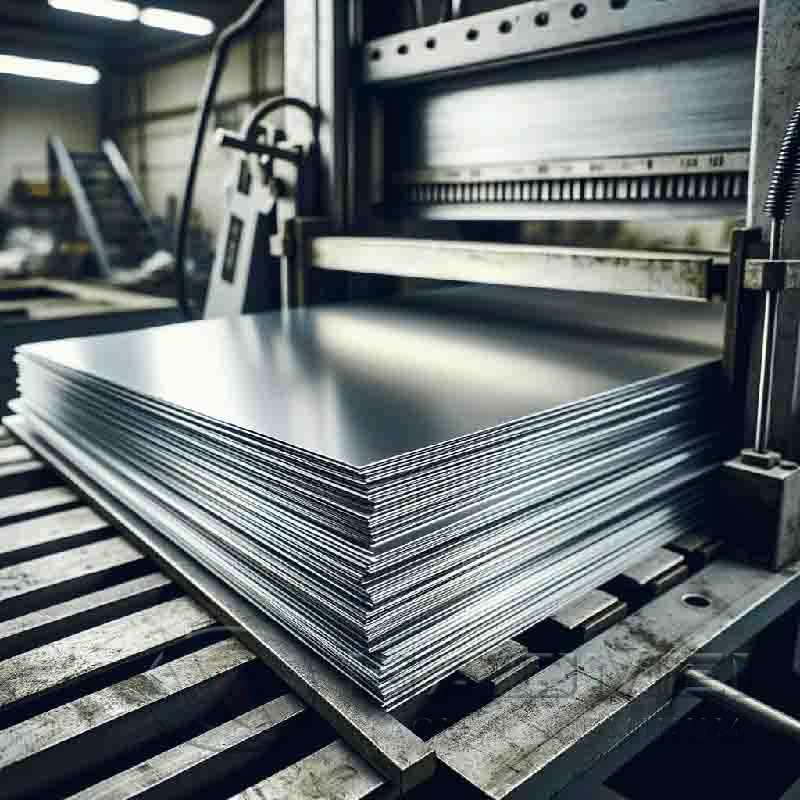
| Alloy | Typical features | Common tanker and vehicle uses | Purchase note |
|---|---|---|---|
| 5182 | Good formability, weldability, corrosion resistance | Baffles, heads, partitions, formed parts | Confirm temper and bending radius |
| 5083 | Higher strength among common 5xxx plates, good seawater resistance | Tank shells, heavy-duty structures, pressure-related welded parts | Verify weld procedure and mechanical values |
| 5454 | Good corrosion resistance, stable service behavior | Fuel tankers, chemical tankers, shell and head materials in many designs | Check cargo compatibility |
| 5754 | Good forming and surface quality | Vehicle panels, floors, guards, auxiliary parts | Often chosen where forming is more important than maximum strength |
The selection should be based on drawings, design code, cargo type, and production process. For example, a tank carrying fuel, edible oil, or certain chemicals may have different corrosion and cleaning requirements. If the tank is designed under ADR, DOT, ASME, EN, or local road transport rules, the material certificate and traceability must support the approval process.
Purchase Checklist for Tanker and Special Vehicle Plants
Before asking for a 5182 aluminum plate price, prepare a complete specification. This reduces back-and-forth communication and helps mills quote accurately. State the alloy and temper, such as 5182-O, 5182-H111, or 5182-H32 if approved by the design. Include thickness, width, length, quantity, application part, standard, tolerance, surface requirement, and delivery schedule.
Ask for a mill test certificate showing chemical composition and mechanical properties. For 5xxx alloys, typical certificate items include magnesium and manganese content, tensile strength, yield strength, elongation, thickness tolerance, and production batch number. The certificate should match the plate markings and packing list. If the project needs third-party inspection, arrange it before shipment, not after arrival.
Surface and flatness deserve special attention. Tank truck factories often use automatic cutting, rolling, bending, and welding. Plates with waves, edge defects, heavy scratches, oil contamination, or poor diagonal accuracy can slow down production. A small saving per ton can disappear quickly if extra grinding, rework, or sorting is needed.
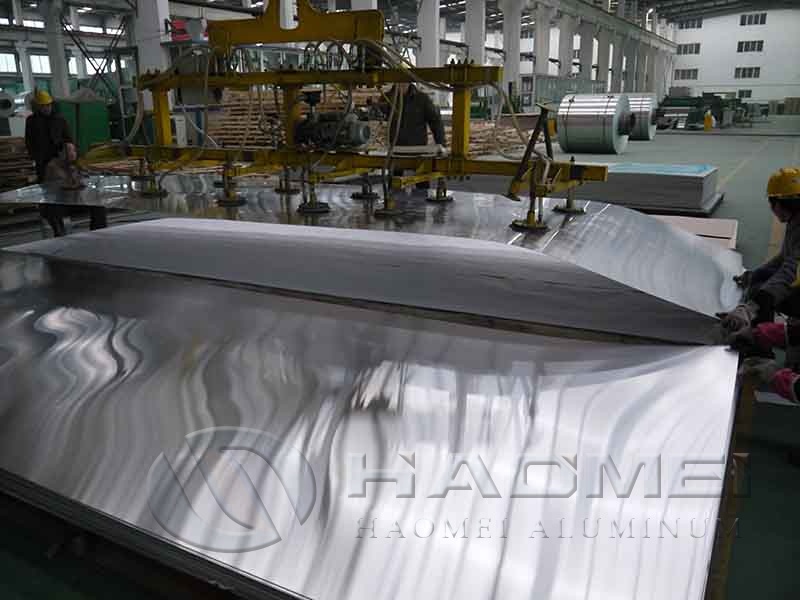
For bulk orders, ask how the supplier controls batch consistency. Mixed heats may create different forming behavior, especially during head forming or baffle production. If a project uses multiple thicknesses, request a delivery plan that matches fabrication order, so the workshop does not wait for one missing size.
Packaging is another cost item that protects value. Export plates should be separated with moisture-resistant paper or film where required, strapped firmly, packed on strong pallets, and protected against seawater vapor during shipping. For long-distance transport, edge protection and clear labels reduce damage and handling mistakes.
A sound purchase request may include the following items:
| Item to confirm | Recommended action |
|---|---|
| Application part | State shell, head, baffle, partition, frame, or cover |
| Alloy and temper | Use the grade approved by the tank design team |
| Standard | Specify ASTM B209, EN 485, EN 573, or required national standard |
| Certificate | Request MTC with heat number and traceability |
| Tolerance | Confirm thickness, width, length, flatness, and diagonal tolerance |
| Surface | Define acceptable scratches, stains, oil, and edge condition |
| Quantity and schedule | Match rolling cycle with workshop demand |
| Trade term | Compare EXW, FOB, CFR, CIF, or DDP on landed cost basis |
When reviewing quotations, separate the metal price from the conversion fee and service items. If the aluminum market is volatile, ask how long the offer remains valid and whether the price is linked to a daily or monthly ingot average. For repeated orders, some customers use formula pricing to reduce negotiation time and make budgeting easier.
For tanker and special vehicle projects, the best purchase decision balances price, forming performance, welding reliability, documentation, and delivery stability. A supplier that understands tank truck production can help confirm practical details such as plate size optimization, cutting yield, surface protection, and batch management before the order enters production.